On this page · 14 headings
What is gastric sleeve surgery?
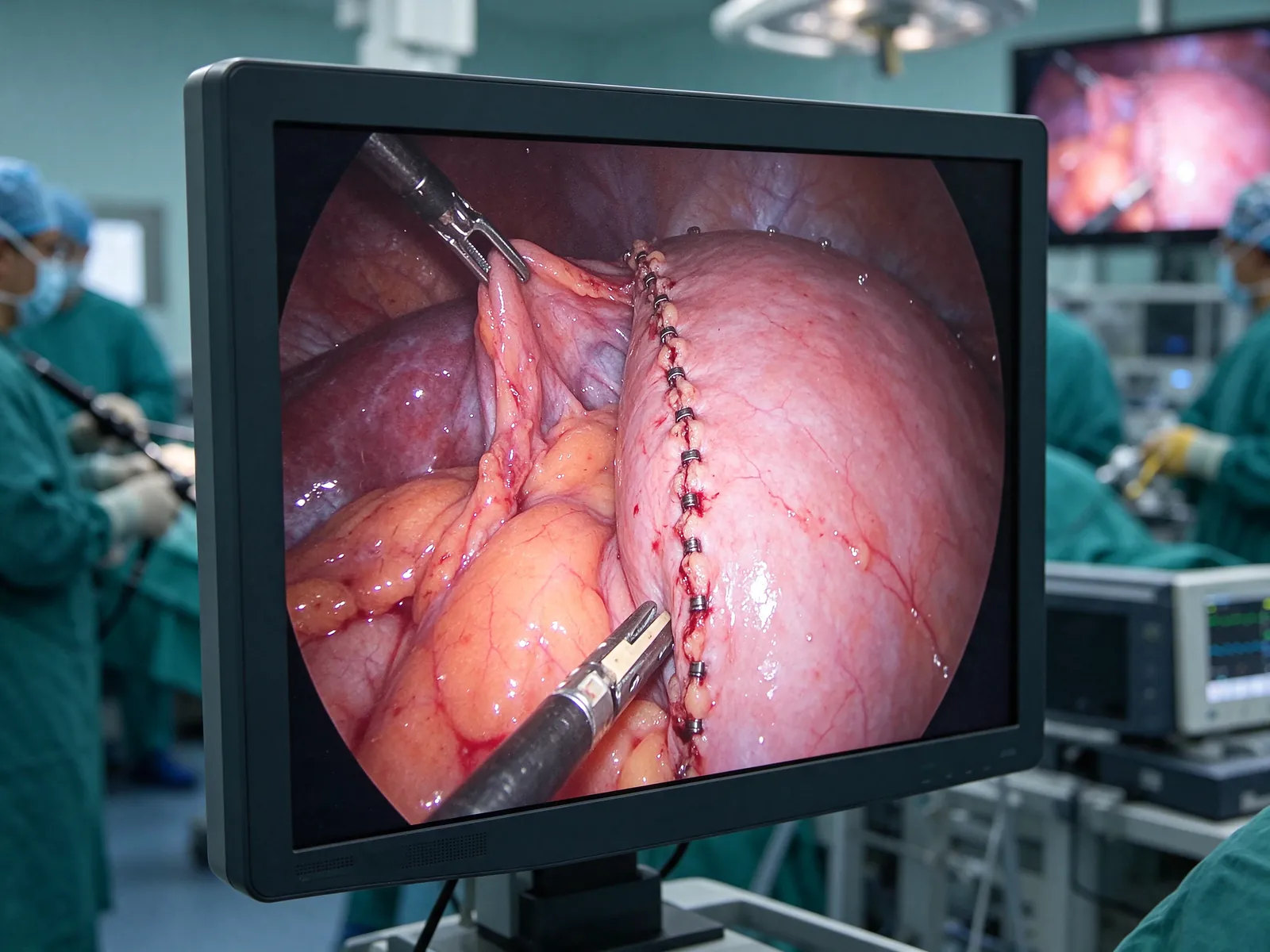
Gastric sleeve surgery, medically known as laparoscopic sleeve gastrectomy, is a type of bariatric surgery in which the expanding part of the stomach is removed, leaving a long, narrow stomach tube. The surgeon works along the outer, curved edge of the stomach, called the greater curvature, and removes approximately 75–80% of the stomach. The remaining part forms a smaller stomach that is shaped like a banana. Since the natural continuity of the intestines is unchanged, the procedure does not create a passage through the intestines, as traditional bypass operations do.
The part of the stomach that is removed is not left in the body; therefore, the procedure is not considered reversible. However, if needed, revision to another bariatric procedure may be possible. Gastric sleeve surgery is one of the most commonly performed bariatric operations worldwide. In appropriately selected people, it can help with weight loss and contribute to the control of obesity-related problems such as type 2 diabetes, high blood pressure, sleep apnoea and fatty liver disease.
The operation involves more than simply reducing the size of the stomach. Stomach capacity, hormones that affect appetite, the speed at which food passes through the stomach, and hormones released by the intestines all change together. For this reason, gastric sleeve surgery is a comprehensive treatment process that requires lasting changes to eating habits and activity levels. The decision to proceed with treatment is made after a detailed assessment with your surgeon.
How does weight loss occur?
The first mechanism is restriction of capacity. The new stomach tube creates a feeling of fullness with a smaller amount of food; large portions may cause pressure, pain, nausea or vomiting. This effect is very pronounced in the first weeks after surgery. Over time, the stomach tube may stretch somewhat, but eating slowly, measuring portions and stopping when you feel full help preserve the benefit of the reduced capacity.
The second mechanism is a change in appetite hormones. A significant amount of ghrelin, which plays a role in the feeling of hunger, is produced in the part of the stomach that is removed. When this part is removed, ghrelin levels and hunger signals generally decrease; the extent of the change varies from person to person. Some people experience a marked reduction in appetite after surgery, while emotional eating, habitual snacking or cravings for sweet foods may not disappear completely.
Stomach emptying may also become faster, and the way food reaches the small intestine may change. As a result, changes occur in intestinal hormones such as GLP-1 and PYY, which play a role in fullness and blood glucose regulation. This hormonal effect contributes to weight loss and, in some people, improved blood glucose control. However, surgery does not automatically correct eating behaviours; regular follow-up and behavioural support are important parts of treatment.
Note: Gastric sleeve surgery is not merely a mechanical procedure that helps you eat less. It produces several physiological effects on appetite, fullness, blood glucose and food preferences; the strength and duration of these effects vary from person to person.
Who may be suitable?
Eligibility for bariatric surgery is determined by assessing body mass index (BMI), associated conditions, previous attempts to lose weight, overall health and ability to adhere to long-term follow-up together. The 2022 ASMBS/IFSO criteria support considering metabolic and bariatric surgery in adults with a BMI of 35 kg/m² or above, whether or not they have associated conditions. For a BMI of 30–34.9 kg/m², surgery may be considered for some people, particularly if type 2 diabetes or other metabolic conditions cannot be controlled despite adequate medical treatment. These criteria alone do not mean that surgery is recommended.
Type 2 diabetes, high blood pressure, sleep apnoea, knee and hip joint problems, fatty liver disease or other obesity-related conditions may improve with weight loss. Sleeve gastrectomy may be an option, particularly for people who do not want intestinal bypass or do not require a significant change in intestinal absorption. However, a history of reflux, endoscopy findings, eating habits and medication use affect the choice of procedure.
A person considering surgery needs to understand what it can and cannot achieve. If lifelong vitamin supplements, blood tests, protein-focused eating and regular physical activity are not acceptable, the balance of surgical risks and benefits changes. Age, pregnancy plans, mental health, alcohol use, previous operations and social support are also taken into account when deciding on treatment.
When should another option be considered?
Severe, treatment-resistant reflux disease is an important warning when considering sleeve gastrectomy. If Barrett’s oesophagus is present—cell changes in the lower part of the oesophagus caused by chronic reflux—a procedure with greater potential to reduce reflux may be considered. A large hiatal hernia is when the junction between the stomach and oesophagus moves up towards the chest cavity. Although this hernia can be repaired during surgery, sleeve gastrectomy may not be suitable for every patient.
Uncontrolled sweet eating, frequent consumption of high-calorie drinks or continuous snacking should also be assessed. Sleeve gastrectomy does not completely prevent these foods from being consumed; high-calorie drinks and soft sweets can lead to excessive energy intake despite the smaller stomach capacity. Eating habits should be addressed before surgery, with psychological support and a structured diet programme added if needed.
In cases of severe obesity, previous bariatric surgery, significant metabolic disease or substantial reflux, Roux-en-Y gastric bypass or one-anastomosis gastric bypass may be more suitable. For some people, medical weight management, an endoscopic procedure or non-surgical follow-up is preferred as the first option. The choice of procedure is based on an overall risk assessment, not on a single measurement.
Preoperative assessment
Preparation begins weeks before the day of surgery. Your medical history, medicines, previous operations, diet, sleep, emotional wellbeing and weight changes are discussed in detail. Blood tests are used to assess values such as anaemia, blood glucose, liver and kidney function, iron stores, vitamin B12, folate, vitamin D and thyroid function. Correcting any deficiencies before surgery can make recovery easier.
Upper gastrointestinal endoscopy allows the oesophagus and stomach to be examined directly. If reflux, an ulcer, a hiatal hernia, a polyp or another finding is detected, the choice and timing of surgery are reviewed. If Helicobacter pylori is detected, treatment to eradicate the bacterium is planned, and treatment success is checked when considered necessary.
Heart and lung assessments are carried out to ensure anaesthetic safety, particularly in older people and those with heart or lung disease. Snoring, pauses in breathing during sleep, daytime drowsiness and morning headaches may suggest sleep apnoea; a sleep study may be needed. If sleep apnoea is diagnosed, treatments such as a positive airway pressure device are arranged around the time of surgery.
A consultation with a dietitian helps you understand the stages of fluid and solid food intake after surgery in advance. A psychological assessment looks at eating behaviour, expectations, body image and ability to follow up; the purpose of this consultation is not to look for reasons to prevent surgery, but to plan any support that may be needed. A low-calorie or predominantly liquid diet is usually followed before surgery. This programme can reduce the fat and size of the liver, making the surgical area safer.
You should stop smoking; smoking can impair wound healing and increase the risk of lung complications and ulcers. Blood thinners, diabetes medicines and other medicines should only be adjusted according to the healthcare team’s plan. Drinking enough water, completing the required tests and planning support for your return home are also part of the preparation before surgery.
How is the operation performed?
Sleeve gastrectomy is performed under general anaesthesia, usually using a laparoscopic technique. Usually, 4–6 small incisions are made in the abdominal wall, and a camera and fine surgical instruments are inserted through them. The abdominal cavity is gently inflated with carbon dioxide gas, making it easier for the surgeon to see the stomach and surrounding tissues.
The greater curvature of the stomach is separated from the surrounding tissues. A calibration bougie, usually 36–40 French, is passed through the stomach; this guide helps determine the width of the sleeve to be created. The stapling line usually begins 2–6 cm from the pylorus, the stomach’s outlet, and extends upwards to the angle of His, where the oesophagus joins the stomach. The removed part of the stomach is taken out of the abdomen inside a bag.
The staple line is checked for bleeding and leaks. Some surgeons may reinforce the line with sutures, use a special coating material or prefer another technique; the choice depends on the tissue and the surgical assessment. A leak test may be performed using fluid, air or an endoscopic check. If a hiatal hernia is found, repair may be planned during the same operation.
The operation usually takes 60–120 minutes, although previous operations, hernia repair, adhesions and the person’s anatomy can affect the duration. At the end of the procedure, the incisions are closed and the patient is taken to the post-anaesthesia recovery area. The technical details of the operation and the method used are determined with safety and individual anatomy in mind.
Recovery in hospital
The first priorities after surgery are controlling pain and nausea, supporting breathing, encouraging circulation through movement and preventing fluid loss. When appropriate, the nursing or physiotherapy team will ask you to get out of bed and start taking short walks. Early mobilisation helps reduce the risk of lung problems and blood clots in the leg veins.
Devices that apply intermittent pressure to the legs, compression stockings and medicines to prevent blood clots may be used in suitable patients. The dose of these medicines is determined according to kidney function, bleeding risk and body weight. Deep breathing exercises, supporting the abdomen when coughing and avoiding long periods of immobility in bed are recommended.
Fluid intake is started with small sips. Depending on your doctor’s assessment, imaging or another check may be carried out; the same test is not routinely needed for every patient. The hospital stay is usually 2–3 days, but nausea, difficulty drinking fluids, other medical conditions or suspected complications may prolong it.
After you go home, you should avoid heavy lifting and strenuous activities for a few weeks. Gradually increase the length of your short walks. If you notice redness, discharge, swelling or opening at the incision sites, inform your healthcare team. Pain relief medicines are selected according to the individual; do not start painkillers that may irritate the stomach without medical advice.
Nutrition and vitamin supplements
The nutrition plan is introduced in stages to protect the healing of the new stomach pouch and meet fluid and protein requirements. Although practices may vary, the typical sequence is as follows:
- Initial stage: Still, sugar-free clear fluids are taken in small sips.
- Next stage: Full fluids, such as milk or a suitable protein drink, are added according to individual tolerance.
- Purée stage: Well-cooked, smooth, low-fat foods are eaten in small amounts.
- Soft food stage: Protein sources that can be easily mashed with a fork and soft vegetables are tried.
- Solid food stage: New foods are added one at a time, in small portions, and chewed thoroughly.
The duration of these stages, in days or weeks, is adjusted according to surgical findings, risk of leakage, nausea and vomiting, and tolerance. The usual target is 1.5–2 litres of fluid a day; fluids should be sipped throughout the day rather than consumed in large amounts at once. Rather than drinking a large amount with meals, most people should leave approximately 20–30 minutes between fluids and solid food.
The daily protein target is generally 60–80 grams or more; it may vary according to target weight, kidney function, activity level and nutrition plan. Choose foods containing protein first. Bites should be small, meals should take at least 20–30 minutes, and you should stop when you feel full. Fizzy drinks, sugary fruit juices, high-calorie coffees and alcohol are among the options to avoid, as they can provide a lot of energy in a small volume.
Because stomach capacity is reduced, iron, B12, folate, calcium and vitamin D deficiencies may develop over time. For this reason, most patients take a multivitamin suitable for bariatric surgery, B12, iron, calcium and vitamin D for a long time, often for life. Calcium and iron may need to be taken at different times; the schedule is adjusted according to blood test results and the advice of the healthcare team. The form of medicines and supplement tablets may be changed in the early period; tablets should only be crushed or opened if the product is suitable and this has been advised.
Expected results and activity
Weight loss is usually rapid in the first few months. Studies have reported an average loss of 60–80% of excess weight in the first 1–2 years. Excess weight is the amount above the weight corresponding to a BMI of 25. These figures are approximate averages from studies; starting weight, age, muscle mass, sleep, hormones, nutrition and activity level all affect the outcome. Weight loss may slow down or fluctuate for a time; looking at the monthly trend is more meaningful than focusing on changes in a single week.
In type 2 diabetes, blood sugar levels and medication requirements may decrease. High blood pressure, sleep apnoea, joint pain and fatty liver may also improve with weight loss. You should not change the doses of your diabetes or blood pressure medicines yourself; your treating doctor will adjust them as your weight loss progresses.
The activity programme starts with walking in the early period. When wound healing and your general condition allow, you can move on to regular weekly aerobic activity, followed later by muscle-strengthening exercises. Getting enough protein is important to limit muscle loss. Exercise is not only for burning more calories, but also to preserve muscle mass, bone health, sleep quality and long-term weight control.
A food diary, measured portions and regular sleep may be helpful when weight loss slows. Liquid calories, eating without noticing while looking at a screen, night-time snacking and emotional eating are easier to address if identified early. A dietitian or psychological support can be added back into the process if needed.
Risks and warning signs
As with any surgical procedure, sleeve gastrectomy carries risks. A leak from the staple line may occur in approximately 1–2% of cases. A leak is when stomach contents escape into the abdominal cavity, and early detection is important. Bleeding, infection, problems related to anaesthesia and blood clots are other early risks. Narrowing or twisting of the gastric sleeve can interfere with the passage of food and fluids, causing persistent nausea and vomiting.
New or worsening reflux is among the long-term problems associated with sleeve gastrectomy. Rapid weight loss can increase the risk of gallstones; assessment is needed if you have pain in the upper right abdomen, nausea or jaundice. Deficiencies in protein, iron, B12, folate, vitamin D and other micronutrients may develop without obvious symptoms if regular checks are not carried out. Hair loss in the first few months is often temporary, but nutritional deficiencies should be investigated.
If you have any of the following symptoms, contact the surgical team without delay or seek emergency assessment:
- Fever, chills or a rapid deterioration in your general condition
- A rapid pulse at rest or new chest pain
- Increasing abdominal or left shoulder pain
- Shortness of breath, fainting or marked swelling in one leg
- Persistent vomiting, inability to keep fluids down or a marked reduction in urination
- Vomiting blood, vomit that looks like coffee grounds or black stools
Any of these signs may not necessarily mean that there is a serious complication, but this cannot be determined by waiting at home. Emergency assessment is needed, particularly if a rapid pulse, abdominal pain and fever occur together.
Long-term follow-up and pregnancy
Follow-up after sleeve gastrectomy is an essential part of maintaining the success of the surgery. Appointments are often scheduled at one, three, six and twelve months, followed by at least annual check-ups. At each appointment, changes in weight, nutrition, fluid and protein intake, vitamin use, reflux, bowel movements, mental wellbeing and activity habits are reviewed. Blood count, ferritin and iron, B12, folate, vitamin D, calcium, albumin, liver tests and other values as needed are monitored.
Weight regain may occur not only because the gastric sleeve widens over time, but also due to factors such as frequent snacking, liquid calories, low protein intake, inactivity, sleep problems, emotional eating or medications. If weight regain begins, seeking support early, reviewing your food diary and, if needed, having an endoscopic examination may be helpful. For some patients with significant weight regain or inadequate weight loss, revision options such as conversion to Roux-en-Y or mini gastric bypass may be considered; these procedures have their own risks.
Pregnancy should not be planned during the period of rapid weight loss and nutritional deficiency. It is generally recommended to consider pregnancy approximately 12–18 months after surgery, once weight and nutritional levels have stabilised. If you are planning a pregnancy, iron, B12, folate, vitamin D and other supplements are checked in advance; obstetric and nutritional follow-up are coordinated throughout the pregnancy. The choice of a reliable method of contraception should be based on your individual circumstances.
Keeping up with regular check-ups, taking the recommended vitamins, meeting your protein and fluid targets, and reporting new symptoms early support your long-term safety. Although the surgical procedure is important, lasting health benefits are maintained by continuing to follow your nutrition, activity, sleep and follow-up plan.
Practical planning for everyday life
Planning your daily routine in advance after surgery makes it easier to meet fluid and protein targets, particularly during the first few months. Keeping a measured water bottle with you, setting meal times and using small containers can help with portion control. When returning to work or school, you can prepare yoghurt, eggs, cheese, ayran or protein options recommended by your healthcare team to avoid going without food for long periods. You may not tolerate every food well; it is helpful to try a new food in a small amount and note how your body responds.
Television, phones or lively conversation during meals can be distracting. Eating slowly, chewing each mouthful thoroughly and stopping when you feel pressure behind the breastbone help protect the new stomach tube. Foods such as bread, rice, pasta or dry meat eaten too quickly may cause a sensation of food getting stuck in some people. If this happens repeatedly, the texture of the food, eating speed and the possibility of narrowing in the stomach tube are assessed together.
Sleep is also part of weight management. Lack of sleep can increase hunger signals and make night-time snacking easier. Regular sleep times, planned activity during the day and ways of managing stress support eating habits. If emotional eating or uncontrolled snacking begins, seeking help from a dietitian and psychological support early is more helpful than viewing it as a personal failure.
Activity consists of short walks during the first few days. As recovery progresses, the duration and pace are increased; later, muscle-strengthening exercises can be added a few days a week. People with knee, lower back or hip problems may prefer water-based exercise, a stationary bike or low-impact programmes. The exercise plan should be tailored to any other health conditions and physical capacity. The aim is not only to speed up changes on the scales, but also to limit muscle loss and maintain independence in daily life.
When is reassessment needed?
If weight loss slows after a few months, first review the food record, protein intake, liquid calories, sleep and activity. If widening of the stomach tube is suspected, an endoscopy or another investigation may be planned; however, not every weight plateau indicates an anatomical problem. A return of appetite, constant snacking or night-time eating may also be important causes of weight change.
If night-time heartburn, difficulty swallowing, vomiting after meals, chest pain or anaemia occurs despite medication for reflux, an endoscopic assessment is needed. If narrowing or twisting is found, endoscopic dilation, dietary adjustments or, rarely, revision surgery may be considered. If there is damage to the oesophagus due to reflux, follow-up intervals are determined following assessment by a gastroenterologist.
If weight regain is significant, the options vary from person to person. Nutritional and behavioural support can be strengthened, and medication or endoscopic procedures may be considered for suitable patients. Conversion to Roux-en-Y or mini gastric bypass may also be considered, taking into account the anatomy of the stomach tube, reflux and metabolic conditions. Revision is a new surgical procedure with risks that differ from those of the first operation; the decision is not based solely on a single measurement on the scales.
Do not wait for a scheduled follow-up appointment in the following situations: inability to take fluids for more than two days, repeated vomiting, new or worsening reflux, rapidly developing weakness, swelling in a leg, unexplained weight loss, or low blood test results despite taking supplements. Seeking help early can help identify the problem before it worsens and prevent nutritional deficiencies.
Protein, fluid and medication safety
It is easier to tolerate protein when you spread your intake across meals rather than leaving your protein target until the end of the day. If meat and dry foods are difficult to manage in the early stages, you can have yoghurt, kefir, eggs, soft cheese, well-cooked pulses or a suitable protein supplement. People with kidney disease should not start a high-protein plan on their own; the target should be adjusted according to kidney function and laboratory results. If you have low albumin, swelling in your legs or significant muscle loss, nutritional assessment should not be delayed.
Not drinking enough fluids can cause dark-coloured urine, headache, dry mouth, dizziness and constipation. Fluid loss can happen more quickly during periods of vomiting or diarrhoea. Take small sips of sugar-free, still fluids, but if you cannot keep even fluids down, contact your healthcare team rather than forcing yourself to drink at home. Drinks with a lot of sugar provide a high amount of energy in a short time and can cause palpitations or stomach discomfort in some people.
After surgery, it is important to consider how medicines are absorbed and whether they may irritate the stomach. Whether tablets can be crushed, capsules opened and medicines taken with food must be assessed for each product. Blood thinners, diabetes medicines, blood pressure medicines and supplements such as iron may not be suitable to take at the same time. In particular, choose pain relief with your healthcare team, and ask for advice before starting any over-the-counter medicine or herbal product.
Constipation may be related to low fluid intake, low fibre intake, iron supplements and limited movement. After moving on to solid foods, suitable vegetables, oats or other sources of fibre can be added gradually. If you have severe abdominal pain, vomiting, marked swelling and cannot pass wind, do not assume it is simple constipation; your bowel movements should be assessed. This distinction is important for safe follow-up after surgery.