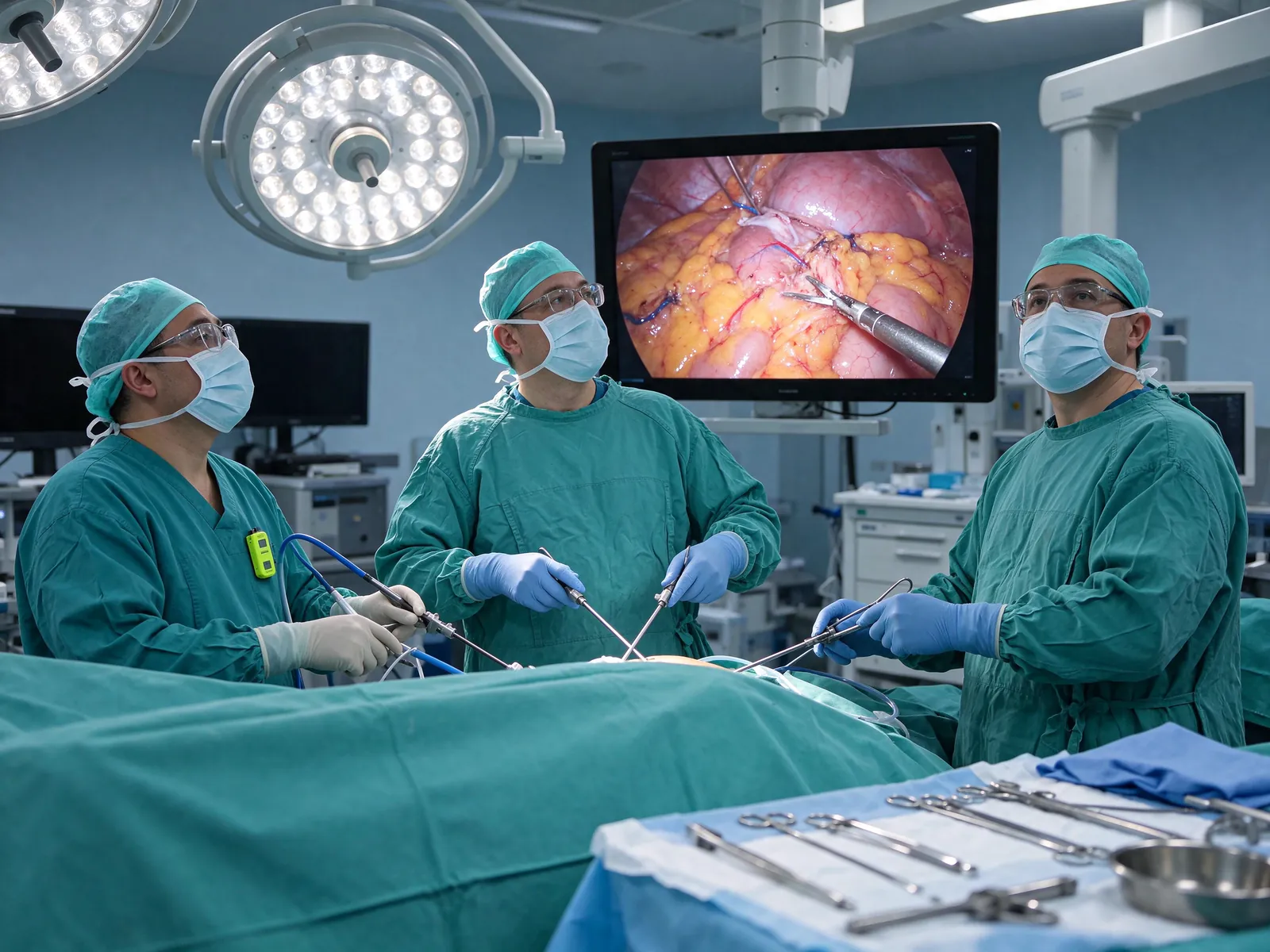
Upper Gastrointestinal Tract Cancers
Symptoms, diagnosis, staging and surgical treatment of cancers of the oesophagus, stomach, pancreas, liver, gallbladder and bile ducts.
General Surgery · Şanlıurfa
A patient information guide by Op. Dr. Felat Çiftçi. It explains general surgery procedures in clear, evidence-based language, from bariatric and metabolic surgery to minimally invasive (laparoscopic) operations, digestive system cancers and hernia repairs.
Measure · kg/m²
For adults aged 18 and over; not for children or during pregnancy.
Enter your height and weight.
The result updates as you type. You can also enter height in metres (1.70).
BMI = weight (kg) ÷ height² (m²). Categories use the standard adult (WHO) cut-offs; muscle mass, age, sex and ethnic background affect the result. For information only; it does not replace a diagnosis or treatment recommendation. The calculation runs in your browser; this tool does not send or store your values.
BMI and obesity classes →Estimate · kcal/day
For adults aged 19–78; not for children or during pregnancy.
Select your sex and enter your age, height and weight.
The result updates as you type. You can also enter height in metres (1.70).
This is the estimated energy the body uses at rest for its basic functions. Total daily energy use is higher once movement is included.
Calculation:
An estimate from the Mifflin–St Jeor equation; the measured value can differ by 10% or more (precise measurement needs indirect calorimetry). For information only; it does not replace a diet plan, diagnosis or treatment recommendation. The calculation runs in your browser; this tool does not send or store your values.
Bariatric surgery guide →Each section covers an area of practice; the overview page for that area explains the shared principles, while the subpages describe each operation and treatment in detail.
A stepped approach ranging from medication and endoscopic balloons to bariatric surgery; which methods may be considered for whom.
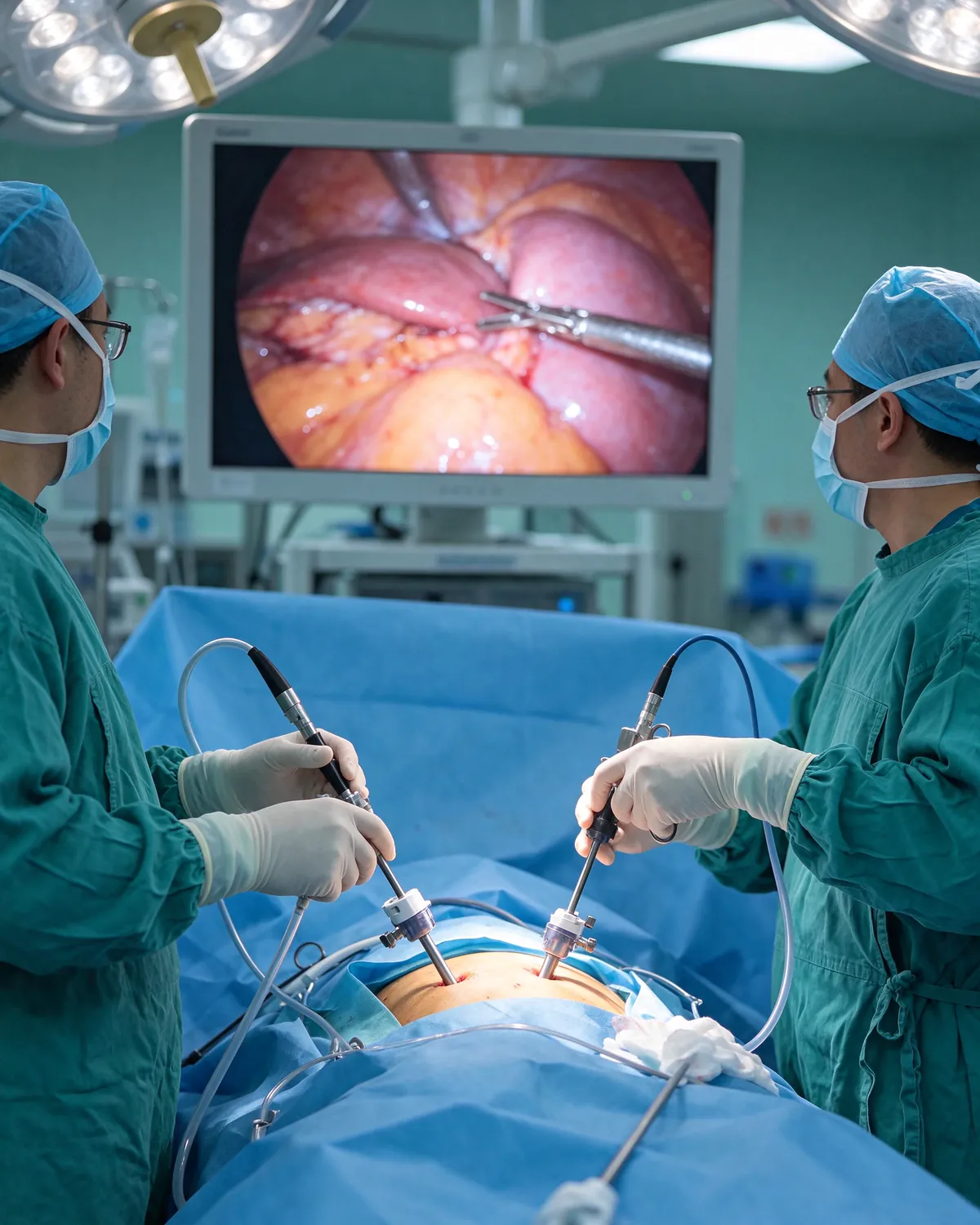
Principles of surgery performed through incisions just a few millimetres long using a camera and fine instruments; preparation and recovery; endoscopic procedures.
Symptoms, diagnosis, staging and surgical treatment of cancers of the oesophagus, stomach, pancreas, liver, gallbladder and bile ducts.
Cancers of the colon, rectum and anal canal; screening and polyps, laparoscopic resection techniques, stoma and follow-up.
Keyhole repair techniques for all abdominal wall hernias, from the groin to the diaphragm: TEP, TAPP, eTEP, IPOM, hiatoplasty and endoscopic techniques.
Descriptions of common general surgery procedures, from the gallbladder and thyroid to breast and anorectal conditions.
Obesity treatment is not limited to a single method. Medication, an endoscopic balloon or bariatric surgery may be added to changes in diet and physical activity. The scale below ranks methods according to the degree of intervention in the body.
For surgery, the figures show the average proportion of excess weight (the amount above the weight corresponding to a BMI of 25) lost in the first 1–2 years; for medication and the balloon, they show the reduction in total body weight. These percentages are approximate averages reported in large clinical studies; they vary considerably from person to person and are not a promise of results. The suitability of a particular method is determined by considering your body mass index, associated conditions, reflux, eating habits and preferences together.
Bariatric surgery changes hunger and fullness hormones as well as reducing stomach capacity. It can therefore lead to significant improvement in weight-related conditions such as type 2 diabetes, high blood pressure, sleep apnoea and fatty liver disease. According to the international ASMBS/IFSO 2022 recommendations, surgery may be considered for people with a body mass index of 35 or above, and for those with metabolic disease at 30 or above.
Assessment before surgery is as important as the operation itself: endoscopy, blood tests, nutritional and psychological assessment, followed by lifelong follow-up.
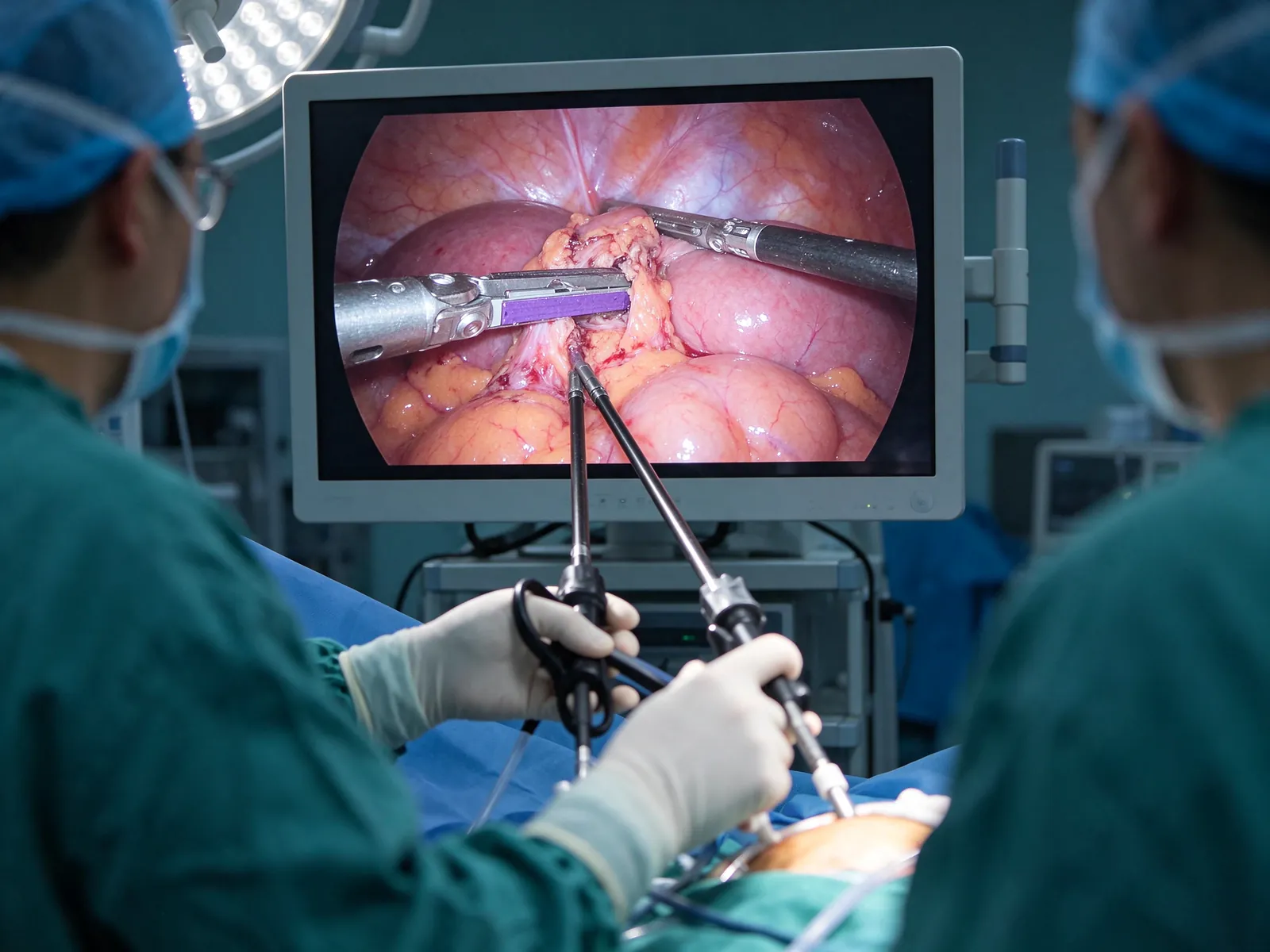
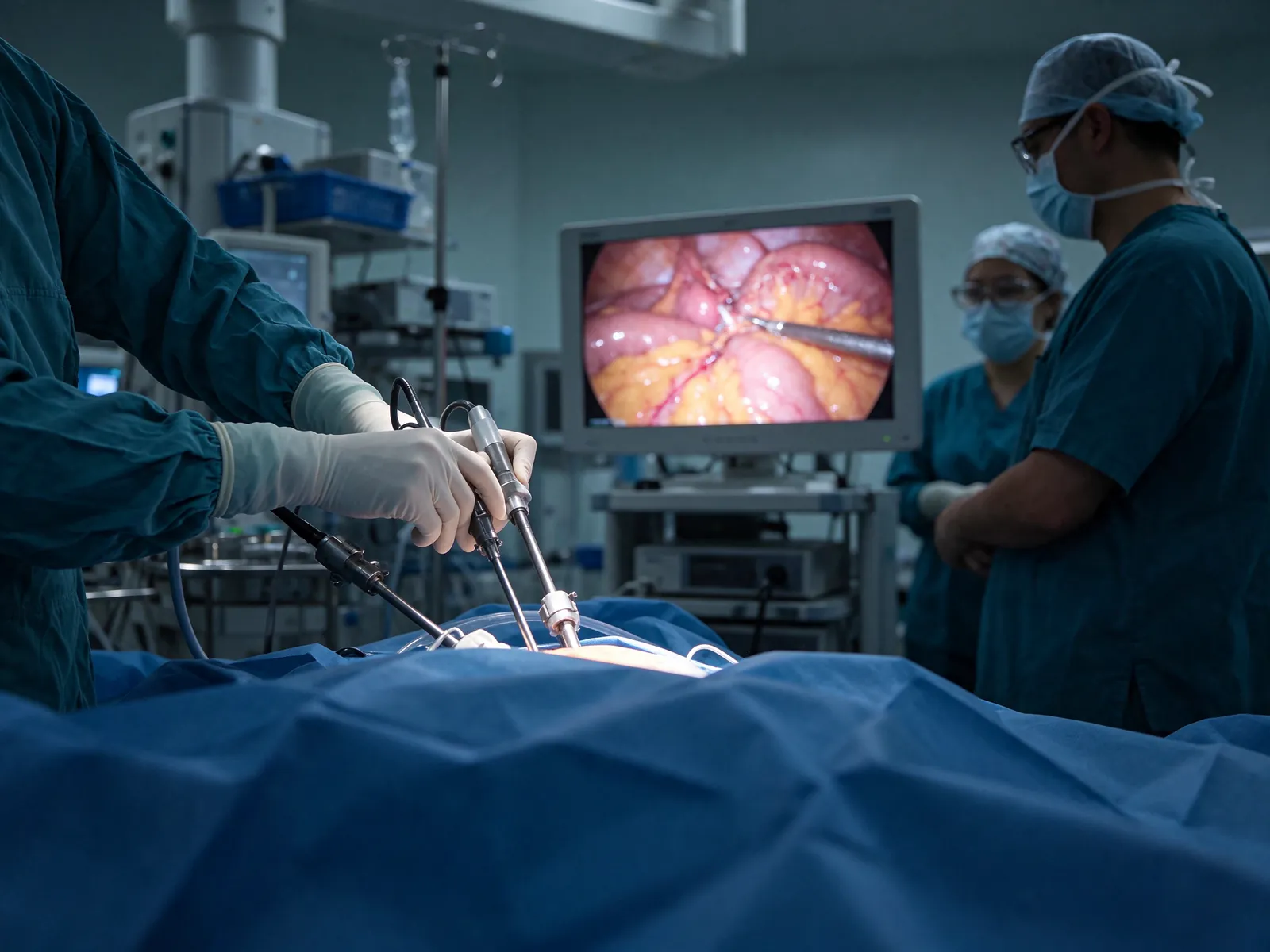
Overview of bariatric surgery →In laparoscopic surgery, the abdomen is gently inflated with carbon dioxide gas. The operation is performed under magnified vision using a camera and fine instruments inserted through 5–12 millimetre incisions. Compared with open surgery, it generally involves less pain, a shorter hospital stay and a quicker return to daily life.
Today, many general surgery operations can be performed using a keyhole approach in suitable patients:
Cancers of the digestive tract, from the oesophagus to the anus, follow different diagnostic and treatment pathways depending on their location. For this reason, cancers of the upper and lower gastrointestinal tract are covered in separate sections, with a dedicated page for each organ.
Symptoms, diagnosis, staging and surgical treatment of cancers of the oesophagus, stomach, pancreas, liver, gallbladder and bile ducts.
Cancers of the colon, rectum and anal canal; screening and polyps, laparoscopic resection techniques, stoma and follow-up.
Weak areas in the abdominal wall, from inguinal hernias to diaphragmatic hernias, can be repaired in suitable patients using laparoscopic and endoscopic techniques, usually with mesh support. Each type of hernia and the minimally invasive techniques used are covered on separate pages.
General surgery covers the surgical treatment of conditions affecting the digestive system, abdominal wall, endocrine glands, breast and anorectal region. The sections below explain the reasons for each operation, how it is performed and the recovery process.
General surgery guide →
He graduated from Selçuk University Meram Faculty of Medicine and completed his general surgery specialist training at İnönü University Turgut Özal Medical Center. After working at Şanlıurfa Training and Research Hospital, he is now working at Özel Şanmed Hastanesi.
For appointments and information, you can call the hospital or message us on WhatsApp. In an emergency, call 112.