On this page · 14 headings
Preoperative examination and tests
Assessment before laparoscopic surgery is not limited to examining the organ to be operated on. Information is gathered about previous illnesses and operations, experiences with anaesthesia, allergies, a history of bleeding, the possibility of pregnancy, smoking, and your usual level of physical activity. The examination includes the heart, lungs, abdomen and area to be operated on. This information may affect the timing of the procedure and the anaesthesia plan.
Blood tests may include a full blood count, kidney and liver function tests, electrolytes, blood glucose and any clotting tests considered necessary. The same tests are not requested for everyone. An electrocardiogram (ECG) shows the electrical activity of the heart and is arranged according to your age, history of heart disease or the extent of the operation. A chest X-ray is also not routinely needed for everyone; it may be requested if you have a respiratory condition, relevant findings or are having a particular operation.
Ultrasound, computed tomography, magnetic resonance imaging or other imaging methods are used depending on the nature of the condition. The anaesthetist assesses your airway, heart and lung health, sleep apnoea, nutritional status and the risks associated with the anaesthetic medicines to be used. Be sure to mention if you have previously experienced nausea, difficult intubation or an allergic reaction during anaesthesia.
Adjusting medicines for surgery
Blood thinners and antiplatelet medicines, which reduce platelet clotting, can affect the risk of bleeding. However, stopping these medicines without guidance can lead to serious problems such as blood clots or stroke. The surgeon and anaesthesia team will assess the name and dose of the medicine, why you take it and when you took your last dose. If necessary, a temporary plan will be made together with the relevant specialist.
Diabetes medicines may also be adjusted on the day of surgery. Fasting, the stress response and anaesthesia can change blood glucose levels. SGLT2 inhibitors can increase the risk of ketoacidosis, a rare but serious condition that can occur with normal or only slightly raised blood glucose. For this reason, when to stop them before surgery is planned specifically for each person. You should be clearly told when to stop and restart a medicine in this group.
GLP-1 medicines can slow stomach emptying. For this reason, further assessment may be needed regarding the risk of stomach contents entering the lungs, known as aspiration, during sedation or general anaesthesia. Tell the anaesthesia team whether you use the medicine weekly or daily, whether your dose is being increased, whether you have nausea or vomiting, and whether you have any other condition that affects stomach emptying.
Herbal products, vitamins and non-prescription supplements are also important. Some can affect the risk of bleeding, blood pressure, heart rhythm or the effects of anaesthetic medicines. Do not assume they are harmless because they are herbal. Bring the packaging or an up-to-date list of all products to your preoperative appointment; do not stop any medicines on your own.
Steps to make preparing for surgery easier
Smoking and nicotine products can affect wound healing, lung function and the risk of infection. It is beneficial to stop as early as possible. Although how long you should stop for varies from person to person, it is important to ask your healthcare team for support without waiting until the surgery. Alcohol use, sleep patterns and nutrition should also be taken into account.
For people with persistently high blood sugar, preoperative control is important for infection and recovery. Targets are set according to the individual’s circumstances. Short walks, leg and breathing exercises, and adequate protein and fluid intake may improve fitness for surgery in suitable people. This preparation period is called prehabilitation. If you have heart or lung disease, or limited mobility, make an exercise plan with your healthcare team.
Prepare your regular medicines, identification and test documents, comfortable clothing and arrangements for someone to accompany you on the day of surgery. Follow the hospital’s instructions about jewellery, nail polish, contact lenses and valuables. Having someone to take you home and support you during the first few hours is important, particularly if you are discharged on the same day or the following day.
Fasting and fluid rules
Fasting periods are required to prevent stomach contents from coming back up the oesophagus and entering the lungs during anaesthesia. Under ERAS approaches, suitable people may be advised to stop eating solid food around 6 hours beforehand and clear fluids up to 2 hours beforehand. Clear fluids means drinks like water that contain no pulp or milk; coffee, milk, fruit juice and thick drinks may not be in the same category.
Some patients may be advised to have a special carbohydrate-containing drink before surgery. This may not be suitable for people with diabetes, problems with stomach emptying, an emergency operation, pregnancy or a high risk of aspiration. The fasting times given to you by the hospital take precedence over general recommendations. If you accidentally eat or drink something, do not conceal this; the team may reschedule the procedure for a safe time.
What happens on the day of surgery?
When you arrive at the hospital, your identity and procedure details will be checked. You may have a nursing assessment, a cannula inserted, and your blood pressure and other basic measurements taken. The surgeon will confirm the surgical site and planned procedure; the site will be marked if needed. During the informed consent discussion, the purpose of the surgery, alternatives, important risks and possible changes to the method if necessary will be discussed.
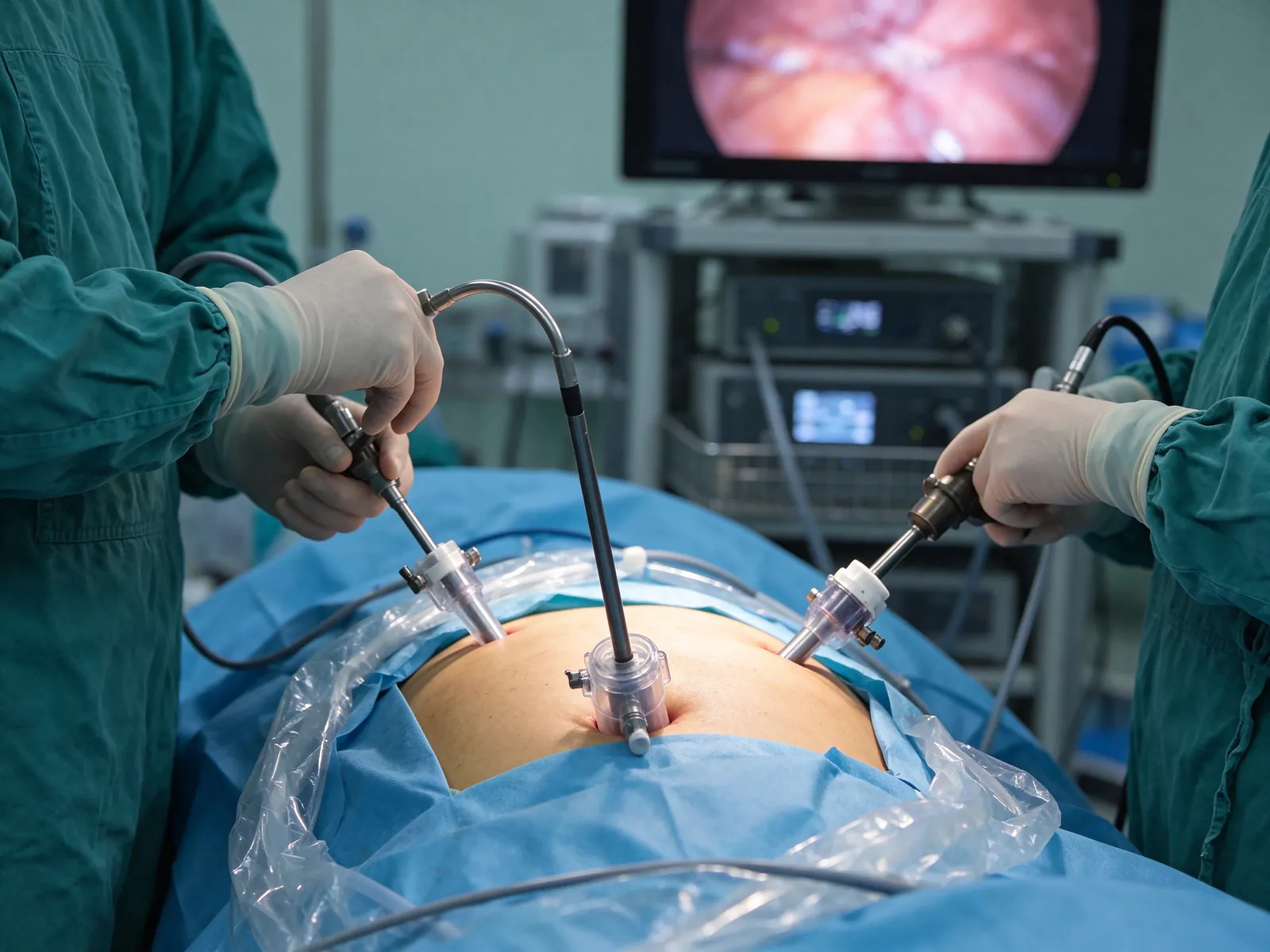
Laparoscopic operations are usually performed under general anaesthesia. After you are anaesthetised, your breathing will be supported safely, and your heart rhythm, blood pressure, oxygen level and body temperature will be monitored. The surgeon inserts trocars at the planned points in the abdominal wall, creates a working space using carbon dioxide and performs the procedure while viewing images from the camera.
The number and position of the incisions vary depending on the operation. In some cases, the organ or tissue being removed is placed in a special bag so that it can be removed through smaller incisions. As the procedure is completed, some of the gas is released, the trocar sites are closed and dressings are applied. The duration varies according to the condition, anatomical findings and extent of the procedure.
The first few hours after waking
When you wake from the anaesthetic, you will be monitored in the recovery area. You may have a sore throat, dry mouth, drowsiness, nausea or chills. Throat discomfort may be a temporary effect of the breathing tube. If you feel nauseous, telling us early can help us start appropriate treatment.
You may have shoulder or shoulder blade pain due to carbon dioxide gas. This pain is usually temporary and eases in the first few days after the procedure. Tenderness around the incision sites, tightness in the abdomen and a pulling sensation when moving are to be expected. Keeping pain under control is important so that you can breathe deeply and walk soon after surgery.
You will be shown ankle movements, deep-breathing exercises and coughing exercises to support your circulation and breathing. You will be helped out of bed when you are ready. You may be fitted with compression stockings or a device that applies intermittent pressure to your legs; a preventive-dose blood-thinning injection may also be used depending on your risk of blood clots. Whether these medicines are needed is decided based on your individual risks.
Pain, eating and drinking, drains and catheters
Pain management usually involves a multi-faceted plan rather than a single medicine. Paracetamol and, for suitable patients, anti-inflammatory painkillers, regional anaesthesia techniques or other short-term medicines may be used. Avoiding unnecessary use of opioid medicines can help limit side effects such as nausea, constipation, drowsiness and slowed breathing; however, they can be given at a safe dose if needed.
Depending on your bowel sounds, nausea and the type of surgery, you may start with water and clear fluids. If you tolerate these, your diet will be expanded gradually. The process may be slower after bowel surgery or procedures affecting the stomach. Tell the healthcare team if you have severe nausea, vomiting, rapidly increasing abdominal swelling or difficulty swallowing.
A drain is a thin tube inserted to remove blood or fluid that may collect in the surgical area. Not every patient has a drain; if one has been inserted, its output and appearance will be monitored. A urinary catheter may also be used for a short time, depending on the duration and type of surgery and whether your urine output needs to be monitored. Do not try to pull out the drain or catheter; the timing of removal is determined by your clinical findings.
Wound care and discharge
You will be given written instructions on keeping the dressing dry, when to change it and when you can shower. With some types of wound closure, you may be able to shower after a short time, while in other cases you may need to wait longer. Baths, swimming pools and the sea may need to be avoided until the wound has fully closed. Do not apply alcohol, iodine, cream or herbal products to the wound unless advised to do so.
There may be mild bruising, swelling or limited seepage around the incision. However, increasing redness, warmth, foul-smelling discharge, the wound opening or severe pain should be assessed. Dissolvable stitches may disappear on their own; the timing for removing staples, adhesive strips or other materials will be decided at your follow-up appointment.
The decision to discharge you is based on whether your pain is controlled with medicines taken by mouth, whether you can tolerate fluids or food, pass urine and walk safely, and whether there are no serious signs or symptoms. Depending on the type of surgery, it may not be appropriate for you to travel home alone, drive or be alone on the first night. Read your discharge documents and prescription carefully.
Recovery at home and daily life
When you return home, short, frequent walks are generally more suitable than lying down for long periods. Keep moving without overexerting yourself, rest during the day and drink enough fluids. To prevent constipation, follow the diet, fluid intake and activity plan recommended by your healthcare team. Dietary advice may differ after bowel surgery, hernia repair or bariatric surgery.
You can resume driving when you can move comfortably enough to make an emergency stop and are not taking strong painkillers that affect your concentration. You may be able to return to desk-based work sooner after some minor procedures; physical work, standing for long periods and heavy lifting may require more time. Any restrictions specified by your surgeon take precedence over general advice found online.
Exercise usually starts with walking. When you can lift weights, do abdominal exercises, run and take part in vigorous sports depends on the type of surgery. After hernia repair and abdominal wall procedures, the healing of the incision is also important. If pain or pulling increases, reduce your activity and consult your follow-up team.
When is urgent medical attention needed?
The following symptoms may require urgent assessment:
- A temperature above 38°C, chills or marked weakness
- Worsening abdominal pain, or a firm or swollen abdomen
- Persistent vomiting, inability to drink fluids or inability to pass urine
- Rapidly increasing redness or swelling around the wound, wound opening or discharge
- Yellowing of the eyes or skin
- Shortness of breath, chest pain, fainting or palpitations
- New swelling, pain or a change in colour in one leg
- Black stools, heavy bright red bleeding or vomiting blood
If you have any of these symptoms, do not wait: contact the surgical team using the number provided in your discharge documents or go to the emergency department. Even if you do not have an emergency symptom, do not put off discussing any worrying changes until your follow-up appointment.
Follow-up appointments and pathology results
At your follow-up appointment, the wound, pain, diet, bowel function and urinary function will be assessed. If an organ or tissue removed during the procedure has been sent for pathology, the microscopic examination result will be an important part of your treatment plan. The pathology report may include the type of tissue removed, signs of inflammation or tumour, and recommendations for further assessment if needed.
The time it takes to receive the result varies depending on the laboratory’s workload and any special tests requested. Rather than interpreting the report yourself, discuss it with your surgeon at the planned appointment. If needed, further imaging, an opinion from another specialist or a follow-up plan will be arranged. Treatment decisions are made by considering the surgical findings, pathology results and your overall health together.
Recovery plan by type of surgery
Although the laparoscopic approach may be the same, the procedure performed and the recovery goals are not. After gallbladder surgery, fatty foods may cause discomfort temporarily; most people return to a normal diet as they are able to tolerate it. After hernia repair, healing of the abdominal wall and restrictions on heavy lifting are key considerations. After bowel surgery, passing wind, bowel movements and tolerance of food are monitored more closely.
After stomach or obesity surgery, the plan for portion sizes, fluids and protein is introduced in stages according to the technical details of the operation. After reflux or hiatal hernia surgery, swallowing, passing wind and eating-related symptoms may be monitored. After cancer surgery, the recovery plan also takes account of the pathology results, the need for additional treatment and the oncology schedule.
If the operation was converted to an open procedure, incision care and activity restrictions may differ from the plan for a procedure started using a minimally invasive approach. The weight limit, showering time and medication times in your discharge documents have been set according to the details of your procedure. If they conflict with general advice from another source, follow your own team’s plan.
Diet and bowel habits
During the first few days, small, frequent meals, enough water and easily digested foods may be preferable. If you feel nauseous, put off fatty, very spicy or large meals. For people with diabetes, fasting, eating less and changes to medication can affect blood sugar, so follow your monitoring and medication plan. The effects of foods that cause gas vary from person to person.
Pain relief medicines, lack of activity and low fluid intake can cause constipation. Walking, and taking fibre and fluids to the extent permitted, may help; however, check with your team about how much fibre to have after bowel surgery or when following a special diet. If you are unable to pass wind and have increasing bloating, vomiting or cramps, you should be assessed for bowel activity.
Returning to work and long-term follow-up
There is a difference between returning to desk-based work and heavy physical work. You may feel pulling around the incision when sitting down and standing up for short periods, climbing stairs or commuting. If you still need pain relief, feel drowsy or cannot move suddenly, you should wait for safety reasons before driving or working. You can discuss a phased return or lighter duties with your employer.
Start exercising with walking and gradually increase the distance. Swimming may not be suitable until the wound has fully closed, and strenuous exercise or movements that strain the abdominal muscles may not be suitable until your doctor gives permission. When you return to sexual activity will also depend on your pain, the wound and the operation you had; do not push yourself if it causes discomfort.
At your follow-up appointment, your medication reduction, wound care, pathology report, return to work and any new symptoms will be reviewed. Some operations require imaging or laboratory tests. Bringing your discharge documents, a list of your medicines and any temperature or blood sugar readings you have recorded at home can make the appointment more useful.