On this page · 14 headings
What is mini gastric bypass?
Mini gastric bypass, also known as single-anastomosis gastric bypass or OAGB (one-anastomosis gastric bypass), is a metabolic and bariatric surgical procedure. The name omega loop bypass comes from the small intestine and the connection created during surgery forming a loop resembling the letter omega. During the operation, a long, narrow stomach pouch is created from the part of the stomach near the lesser curvature; most of the stomach is not removed and is left in place inside the abdomen. The operation therefore reduces the stomach’s capacity without removing it and changes the passage of food through the intestine.
The stomach pouch is joined with a single connection to a selected loop of the small intestine, approximately 150–200 cm from its beginning. This connection is called a gastrojejunostomy. Changing the intestinal route in this way may cause food to meet digestive fluids further down the intestine and reduce the amount of energy absorbed. The length of intestine used and the measurement method vary according to the surgical approach, the person’s weight, nutritional status and metabolic risks.
The procedure was described by Rutledge in 1997, and in subsequent years it was technically refined at different centres and its long-term outcomes were studied. IFSO recognises single-anastomosis gastric bypass as a bariatric procedure that can be used in selected patient groups; however, standardising the technical details and the length of the intestinal limb remains important. The term “mini” does not mean that the operation is insignificant or simple; its effects on absorption and follow-up requirements must be taken seriously.
How it works
The first effect is that the long, narrow stomach pouch creates a feeling of fullness with less food. Small portions may be enough to feel full, but easily consumed calories, such as sugary drinks or soft desserts, can still lead to a high energy intake even when stomach capacity is small. For this reason, the content of food, eating speed and liquid calories are as important as portion size.
The second effect is that food passes through part of the small intestine more quickly. The biliopancreatic limb is the part of the intestine that carries bile and pancreatic fluids. As the length of this limb increases, absorption may decrease; however, a limb that is longer than necessary may increase the risk of nutritional deficiencies, including iron, B12, protein and fat-soluble vitamin deficiencies. IFSO expert opinions emphasise choosing an intestinal length suited to the individual and avoiding excessively long biliopancreatic limbs.
After surgery, changes occur in gut hormones such as GLP-1 and PYY. These hormones play a role in fullness, insulin response, stomach emptying and blood sugar regulation. The circulation of bile acids within the intestine and the composition of the gut microbiota may also change. These multiple mechanisms can provide metabolic benefits, particularly in type 2 diabetes and metabolic syndrome, independently of weight loss.
Appetite may decrease and preferences for sweet foods or snacks may change, but this does not happen to the same extent in everyone. Emotional eating, lack of sleep, stress and consumption of high-calorie drinks may continue despite the hormonal effects of surgery. Follow-up assesses not only weight, but also blood sugar, food intake, muscle mass and lifestyle habits.
Who may be considered?
Mini gastric bypass may be considered for adults with a high BMI, obesity-related type 2 diabetes or metabolic syndrome, and insufficient improvement despite medical treatment. The ASMBS/IFSO 2022 criteria support considering metabolic and bariatric surgery for people with a BMI of 35 kg/m² or above, and individual assessment—particularly for metabolic diseases that are difficult to control—for those with a BMI of 30–34.9 kg/m². BMI alone is not sufficient to determine suitability for surgery.
It may also be considered as a revision option for people who have not lost enough weight after sleeve gastrectomy or who have regained a significant amount of weight after a period of time. If persistent hunger, a high BMI or type 2 diabetes is present after sleeve gastrectomy, adding the effects of malabsorption and hormones to restriction of stomach capacity may be beneficial. However, dietary records, the anatomy of the sleeve, signs of reflux and the causes of weight regain are assessed first.
A diet centred on sweets and snacks is not, on its own, a sufficient reason to choose mini bypass; these behaviours need to be addressed before surgery. Sugary foods and liquid calories can still be consumed easily after surgery. Readiness to meet vitamin, protein and fluid targets consistently, attend follow-up appointments and understand the risks associated with alcohol and smoking are all part of the suitability assessment.
Who needs extra care?
The choice of mini bypass requires careful consideration in people with severe reflux, Barrett’s oesophagus or a history of bile reflux. After OAGB, bile in the intestinal contents is located closer to the stomach pouch. Bile reflux does not develop in every patient; however, existing reflux symptoms, endoscopy findings and the condition of the oesophagus are key factors in the decision. For this group, Roux-en-Y bypass may be an alternative because it separates bile flow from the food pathway more effectively.
The risks of a malabsorptive operation increase for people who may not be able to take vitamins and minerals or have regular blood tests. If iron deficiency, anaemia, low albumin, or serious kidney or liver disease is present, these conditions are assessed first. If there is an active, uncontrolled eating disorder, heavy alcohol use, or difficulty understanding and following post-operative recommendations, an appropriate support plan is arranged first.
Mini bypass may not be suitable for people with certain inflammatory bowel diseases, such as Crohn’s disease, chronic diarrhoea, malabsorption or recurrent intestinal inflammation. Previous abdominal operations, bowel length and adhesions may affect the technical plan. For people planning a pregnancy, the timing of surgery and replenishment of nutrient stores are also considered.
Technical stages of the operation
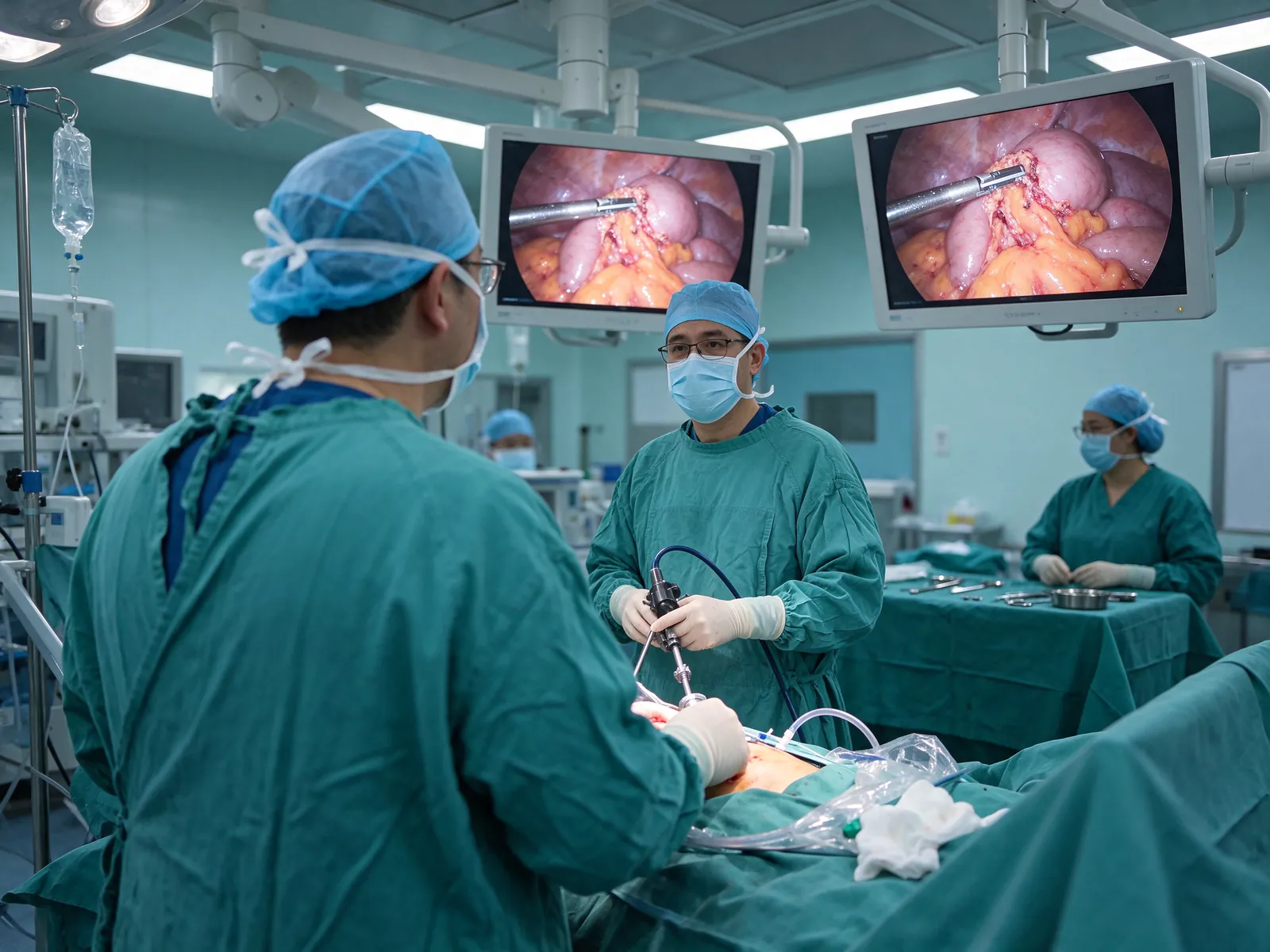
The operation is performed under general anaesthesia, most often laparoscopically. A few small incisions are made in the abdominal wall, and the stomach and small intestine are examined using a camera. A long, narrow pouch is created from the part of the stomach close to the lesser curvature. The remaining larger part of the stomach is not removed; it continues to produce digestive fluids, but food does not pass directly through it.
The small intestine is measured from its starting point, and in most procedures, a section approximately 150–200 cm along is brought up to the stomach pouch. A single anastomosis is created between the pouch and the intestine. The selected intestinal length is determined according to the person’s body structure, nutritional risk, metabolic goals and surgical assessment. A very long biliopancreatic limb should not be preferred for the purpose of increasing weight loss; reduced protein and vitamin absorption can have serious consequences.
The anastomosis is checked for leaks and bleeding. At the end of the operation, the passage through the intestine is assessed to ensure that it is not twisted or under tension. Technical details may vary according to previous operations and anatomical findings. In many people, the operation may take less time than sleeve gastrectomy or a bypass with two anastomoses; however, additional repairs, adhesions and the person’s safety risks can affect the duration.
Preparation and hospital stay
Preoperative assessment is comprehensive, as it is for sleeve gastrectomy. A full blood count, iron and ferritin, B12, folate, vitamin D, calcium, albumin, liver and kidney tests, and blood glucose are checked. Upper gastrointestinal endoscopy provides information about reflux, ulcers, hiatal hernia, gastritis, Barrett’s oesophagus and Helicobacter pylori. If the bacterium is detected, appropriate treatment is planned.
Heart and lung assessments are performed to determine the risk of anaesthesia. If there is snoring or breathing pauses at night, sleep apnoea is investigated. The dietitian explains the low-calorie or predominantly liquid programme before surgery and the stages of eating after surgery. A psychological consultation addresses eating behaviour, expectations and adherence to follow-up. Smoking should be stopped; painkillers, blood thinners and diabetes medicines should only be adjusted as part of a plan.
Early walking, breathing exercises and prevention of blood clots are important after surgery. Mechanical methods and medicines to prevent blood clots are used in suitable patients. Fluid intake begins with small sips, and nausea is managed. The hospital stay is usually 2–3 days, although it may vary depending on the person’s medical condition and tolerance of fluids. After leaving hospital, contact should be made without delay if there is a fever, a rapid pulse, increasing abdominal pain or an inability to take in fluids.
Dietary stages
Nutrition after mini bypass is progressed in a way that protects anastomotic healing and provides sufficient protein despite reduced absorption. Although the programme varies by centre and by the individual’s tolerance, it often consists of clear liquids, full liquids, puréed foods, soft foods and solid foods. Each new consistency is tried in a small amount; if nausea, pain or vomiting occurs, it may be necessary to return to the previous stage.
For most people, the daily fluid target is around 1.5–2 litres. Fluids should not be drunk in large amounts at once, but sipped throughout the day. Separating fluids from meals, taking small bites and chewing well may reduce excessive stretching of the pouch and discomfort caused by food passing through too quickly. Sugary drinks, high-fat foods and fizzy drinks may both interfere with weight control and increase symptoms such as diarrhoea, gas or palpitations.
The protein target is usually 60–80 grams or more per day; the target is determined according to muscle mass, kidney function and nutritional status. Eggs, yoghurt, lean meat, fish, chicken, legumes or a protein supplement considered suitable by the healthcare team may be used. Protein should be eaten first, meals should be planned, and prolonged fasting followed by eating too much at once should be avoided.
As fat absorption may also decrease after mini bypass, fat-soluble vitamins A, D, E and K are monitored. Iron, B12, calcium and vitamin D supplementation is necessary for most people. Zinc and folate are also assessed according to the clinical situation. Interactions between supplements are important; in particular, iron and calcium may need to be taken at different times. Doses are guided by blood test results.
Bile reflux and other problems
Bile reflux occurs when contents carrying bile and pancreatic fluids flow back towards the stomach pouch or oesophagus. A bitter taste, vomiting yellow-green fluid, burning in the upper abdomen, nausea, symptoms that worsen at night, or persistent discomfort associated with meals may occur. Classical acid reflux can cause similar symptoms, so the two cannot be distinguished on symptoms alone. Endoscopy, imaging when needed, and clinical assessment are used.
Treatment may include having smaller meals, stopping eating a few hours before bedtime, reducing fatty foods, and using acid-suppressing or bile-binding medicines on the doctor’s advice. However, if bile reflux is related to the anatomy of the anastomosis, it may not resolve completely with medication. For ongoing oesophageal damage, uncontrollable vomiting or symptoms that impair quality of life, revision surgery is discussed, most often conversion to Roux-en-Y bypass.
Anastomotic leakage and bleeding can occur early on. A marginal ulcer is a sore that develops around the connection between the stomach pouch and the intestine; smoking, NSAID painkillers, alcohol and Helicobacter pylori may increase the risk. An ulcer may cause abdominal pain, nausea or bleeding. For this reason, smoking, NSAID painkillers unless recommended by the healthcare team, and excessive alcohol should be avoided.
Diarrhoea and foul-smelling gas may be associated with food passing quickly through the intestines, fatty foods, lactose sensitivity or changes in the gut microbiota. Persistent diarrhoea may lead to loss of protein and fluids. If stools look oily, there is marked weakness or swelling, or there is unexplained weight loss, malabsorption should be assessed. Although internal hernia is less expected than after Roux-en-Y bypass, it is still considered when abdominal pain occurs.
Expected results and study data
Studies have reported average losses of around 70–80% of excess weight during the first 1–2 years after mini gastric bypass. Excess weight is the amount above the weight corresponding to a BMI of 25. This proportion varies according to starting weight, follow-up duration, the length of the intestinal limb, and eating and activity patterns. Weight loss may be rapid in the first few months; it is expected to slow down later. Study averages are not a promise of individual results and do not replace follow-up after surgery.
In type 2 diabetes, fasting blood glucose, insulin requirements and long-term blood glucose levels may improve. Hypertension, sleep apnoea and fatty liver may also improve with weight loss. Home measurements and medical check-ups are important because the doses of blood glucose or blood pressure medicines may need to change. Stopping medicines without medical advice may lead to hypoglycaemia or high blood glucose.
In the YOMEGA randomised trial, weight loss was found to be similar with OAGB and Roux-en-Y gastric bypass, but nutrition-related adverse effects were reported to occur more often in the OAGB group. This finding shows that mini bypass needs to be assessed not only in terms of weight loss, but also in terms of absorption and nutritional safety. Study results cannot be applied in the same way to all patients; differences in technique and follow-up can affect outcomes.
Choosing between mini bypass, Roux-en-Y and sleeve gastrectomy
The table below summarises general differences; personal anatomy, reflux, diabetes, previous operations and adherence to follow-up are more influential when choosing a procedure.
| Feature | Mini gastric bypass | Roux-en-Y bypass | Sleeve gastrectomy |
|---|---|---|---|
| Anastomoses | One | Two | None |
| Intestinal absorption | Reduced | Reduced | Remains unchanged |
| Bile reflux | Specific risk | Less likely | Not a typical mechanism |
| Reflux tendency | Requires attention | Usually decreases | May increase |
| Vitamin monitoring | Intensive and lifelong | Intensive and lifelong | Needed lifelong |
| Revision | May be needed | May be needed | Can be converted to bypass |
Mini bypass may offer a single connection and a strong metabolic effect, but bile reflux and reduced absorption require careful monitoring. Roux-en-Y may be more suitable, particularly for people with significant reflux or Barrett’s oesophagus; however, it carries risks associated with two anastomoses, internal hernia and dumping. Sleeve gastrectomy does not change intestinal absorption, but it may worsen reflux and weight loss may be inadequate for some people. The decision is made by considering these factors alongside personal priorities and medical risks.
Long-term lifestyle and follow-up
During the first year, follow-up appointments are usually scheduled at one, three, six and twelve months; at least annual follow-up continues thereafter. Weight, muscle mass, bowel movements, reflux, abdominal pain, eating habits and mental wellbeing are assessed. Full blood count, iron and ferritin, vitamin B12, folate, vitamin D, calcium, albumin, liver and kidney tests are monitored regularly; vitamins A, E and K, zinc and other tests may be added depending on the clinical situation.
Smoking increases the risk of marginal ulcers and poor wound healing. NSAID painkillers can also increase the risk of ulcers and bleeding, so pain management should be planned with the healthcare team. Alcohol passes quickly through the small pouch and may lead to faster intoxication, high calorie intake and an increased risk of alcohol use disorder. Therefore, stopping or avoiding alcohol is the safest approach.
Pregnancy should be postponed until after the period of approximately 12–18 months, when weight loss and the risk of vitamin deficiencies have decreased. Nutrient stores should be restored before pregnancy, and supplements should be adjusted to suit pregnancy. Diarrhoea, foamy or greasy stools, swelling in the legs, marked fatigue, hair loss, numbness, changes in vision, jaundice or persistent vomiting may indicate a deficiency or absorption problem and should be assessed without delay.
The long-term safety of mini bypass depends not only on changes on the scales, but also on adequate protein, appropriate vitamin and mineral supplements, regular blood tests, avoiding smoking and NSAIDs, balanced physical activity and pregnancy planning. If the follow-up programme cannot be maintained, options that cause less change in absorption should also be considered.
Daily life and physical activity
After mini bypass, regular protein and fluid intake form the basis of the daily routine. Small meals spread throughout the day are preferable to going without food for long periods and then eating a large meal. Keeping water and a suitable protein option with you may help reduce unplanned snacking at work, school or while travelling. Fizzy drinks, sugary coffees, fruit juice and alcohol can provide a lot of energy in small volumes and make weight regain more likely; water and sugar-free options are preferred instead.
Food tolerance can vary from person to person. Fatty foods may increase diarrhoea and foul-smelling gas; dairy products may cause symptoms in some people because of lactose. If a food repeatedly causes diarrhoea, rather than cutting it out completely and for a long time on your own, keep a food diary and assess the relationship with portion size and ingredients. If symptoms persist, coeliac disease, infection, bacterial overgrowth or other absorption problems may also be investigated.
Physical activity begins with short walks during the initial period. When wound healing and your general condition allow, the duration of walks is increased, followed later by muscle-strengthening exercises. Exercising intensely without adequate protein intake may increase muscle loss; therefore, exercise and nutrition should be planned together. For people with joint pain, low-impact exercise, water-based activity or a stationary bike may be easier to tolerate.
Alcohol can pass quickly through the small stomach pouch and lead to a higher blood alcohol level than expected. It also increases the risks associated with falls, driving, decision-making and alcohol use disorder. Alcohol is particularly inadvisable during rapid weight loss, inadequate protein intake or depressive symptoms. Smoking poses risks of ulcers, poor wound healing and lung problems; support to quit should continue before and after surgery.
Managing urgent symptoms and problems
Although an anastomotic leak after mini gastric bypass is rare, it is a serious complication. A rapid pulse, fever, increasing abdominal or shoulder pain, shortness of breath, marked weakness and being unable to take in fluids may indicate a leak or another early problem. Vomiting blood, black stools, fainting or painful swelling in one leg also require urgent assessment. If these symptoms occur, it is not appropriate to wait at home or take painkillers alone.
Persistent vomiting, food getting stuck or even liquids passing with difficulty may be related to an anastomotic stricture, twisting of the pouch or another mechanical problem. If vomiting continues for several days, dehydration, impaired kidney function, thiamine deficiency and muscle loss may develop. Urgent help is particularly important if vomiting is accompanied by dizziness, unsteady walking, confusion or changes in eye movements.
Prolonged diarrhoea, foamy or oily stools, swelling, unexplained weight loss and marked weakness may indicate inadequate absorption of protein or micronutrients. If blood tests show low albumin, iron, B12, vitamin D or zinc, the supplementation programme is adjusted. Oral supplements may not be sufficient for some deficiencies; the route of administration is chosen according to the clinical situation.
If bile reflux is suspected, the timing of symptoms, the colour of the vomit, its relationship to meals and the medicines being taken are recorded. Endoscopy findings and eating habits are assessed together. If symptoms persist despite medication and lifestyle changes, the structure of the anastomosis, a hiatal hernia and damage to the oesophagus are examined. If treatment does not work, revision options such as conversion to Roux-en-Y are discussed; this decision takes experience, risk and nutritional status into account.
Follow-up plan and safe monitoring
During the first year, appointments are generally held at one, three, six and twelve months; thereafter, assessments continue at least annually. In addition to weight and waist circumference, meal patterns, protein and fluid intake, stool characteristics, reflux, dumping-like symptoms, and alcohol and smoking are discussed. Full blood count, iron and ferritin, B12, folate, vitamin D, calcium, albumin, and liver and kidney tests are included in routine monitoring; vitamins A, E and K and zinc are measured according to individual risks.
If weight loss is greater or faster than expected, it should not be seen as a positive development alone. If it is accompanied by loss of appetite, diarrhoea, vomiting, swelling or reduced muscle strength, protein deficiency and malabsorption are investigated. Conversely, when weight regain begins, liquid calories, increasing portion sizes, sleep, stress and activity levels are assessed. Rather than stopping supplements because blood test results are normal, their doses are adjusted during planned follow-up appointments.
For people planning a pregnancy, nutrition and blood test results are reviewed at least a few months in advance. It is important for weight loss to stabilise, and to ensure adequate protein and folate intake and replenished iron and B12 stores. During pregnancy, fat-soluble vitamins, calcium, vitamin D and the baby’s development are monitored. A waiting period of approximately 12–18 months is assessed by the healthcare team according to the individual’s weight and nutritional status.