On this page · 13 headings
Purpose of screening
Colorectal cancer screening is a planned healthcare service aimed at detecting cancer or precancerous lesions early in people who have no symptoms and are within a specified age range. Colon and rectal cancers often develop over many years from precursor growths called polyps. Not all polyps turn into cancer; however, removing those with high-risk features may reduce the likelihood of cancer developing.
Screening and diagnostic investigation should be distinguished from one another. Screening is carried out when there are no symptoms. If there is blood in the stool, unexplained anaemia, a persistent change in bowel habits, unintentional weight loss or ongoing abdominal pain, the choice of test is different and a diagnostic colonoscopy is often needed directly. In this situation, waiting for the result of a stool test alone may delay diagnosis.
In Türkiye, the Ministry of Health’s national screening programme uses an approach of a faecal occult blood test every two years for women and men aged 50–70 at average risk, and colonoscopy every 10 years for eligible people. The programme may be delivered through Cancer Early Diagnosis, Screening and Training Centres (KETEMs), family medicine centres and relevant healthcare units. Some international guidelines recommend starting screening at age 45 for people at average risk. The age and choice of test should be determined in line with the current national programme and individual risk factors.
Polyp types and risk features
A polyp is a growth that extends from the inner surface of the bowel into its lumen. Adenomas are the most important group of polyps with the potential to become cancerous. Tubular adenomas are more common; a villous or tubulovillous structure, larger size, multiple polyps and high-grade dysplasia are associated with higher risk. Dysplasia refers to cells becoming different from normal and changing in a direction that may lead to cancer; it does not, by itself, mean invasive cancer.
Serrated lesions are a group that create a saw-tooth appearance in the surface cells. Sessile serrated lesions may appear flat and subtle, especially when located in the right colon, so they require careful examination. For these lesions too, size, number, dysplasia and whether they have been completely removed affect the follow-up interval. Most hyperplastic polyps are low risk; nevertheless, the polyp’s location, size and pathological features are important.
The size and number of polyps are key parts of risk assessment. Large or multiple polyps, advanced dysplasia, villous features, dysplasia in serrated polyps and removal in pieces may require closer follow-up. The pathology report states the polyp type and the resection margins. The colonoscopy report and pathology report should be kept together and taken to the next doctor’s appointment.
Note: “A polyp was found” does not directly mean cancer. A definitive assessment is made by removing the entire polyp using an appropriate method and examining it under a microscope.
Screening tests
Screening tests have different strengths and limitations. Stool tests are easier to carry out at home or in a healthcare facility, while colonoscopy allows the bowel lining to be seen directly and polyps to be removed during the same procedure. The choice of test should take into account the person’s risk level, preferences, previous results and access to testing.
| Test | Advantage | Limitation |
|---|---|---|
| FIT | Performed at home; detects human blood | A positive result requires colonoscopy |
| Colonoscopy | Examines the entire colon and removes polyps | Requires preparation and sedation, and carries procedural risks |
| CT colonography | An imaging option that does not require sedation | Colonoscopy is required if a polyp is found |
| Sigmoidoscopy | Directly examines the lower colon | Does not assess the entire colon |
Faecal occult blood and FIT
Faecal occult blood tests look for blood that cannot be seen with the naked eye. The immunochemical test (FIT) detects human haemoglobin, so it is less likely to be affected by animal blood in food and is preferred in many screening programmes. It is important to perform the test correctly and repeat it at the recommended intervals. A negative result shows that no blood was detected at that time; it does not completely eliminate the risk of cancer.
If FIT is positive, colonoscopy is needed to find the cause of the bleeding. Assuming the result is “due to haemorrhoids” and repeating the stool test is not the right approach. FIT cannot directly detect all polyps or lesions that are not bleeding, so it does not replace colonoscopy in every case. Different stool tests may be used at some centres, but testing intervals and the steps following a positive result are determined by the programme.
Colonoscopy
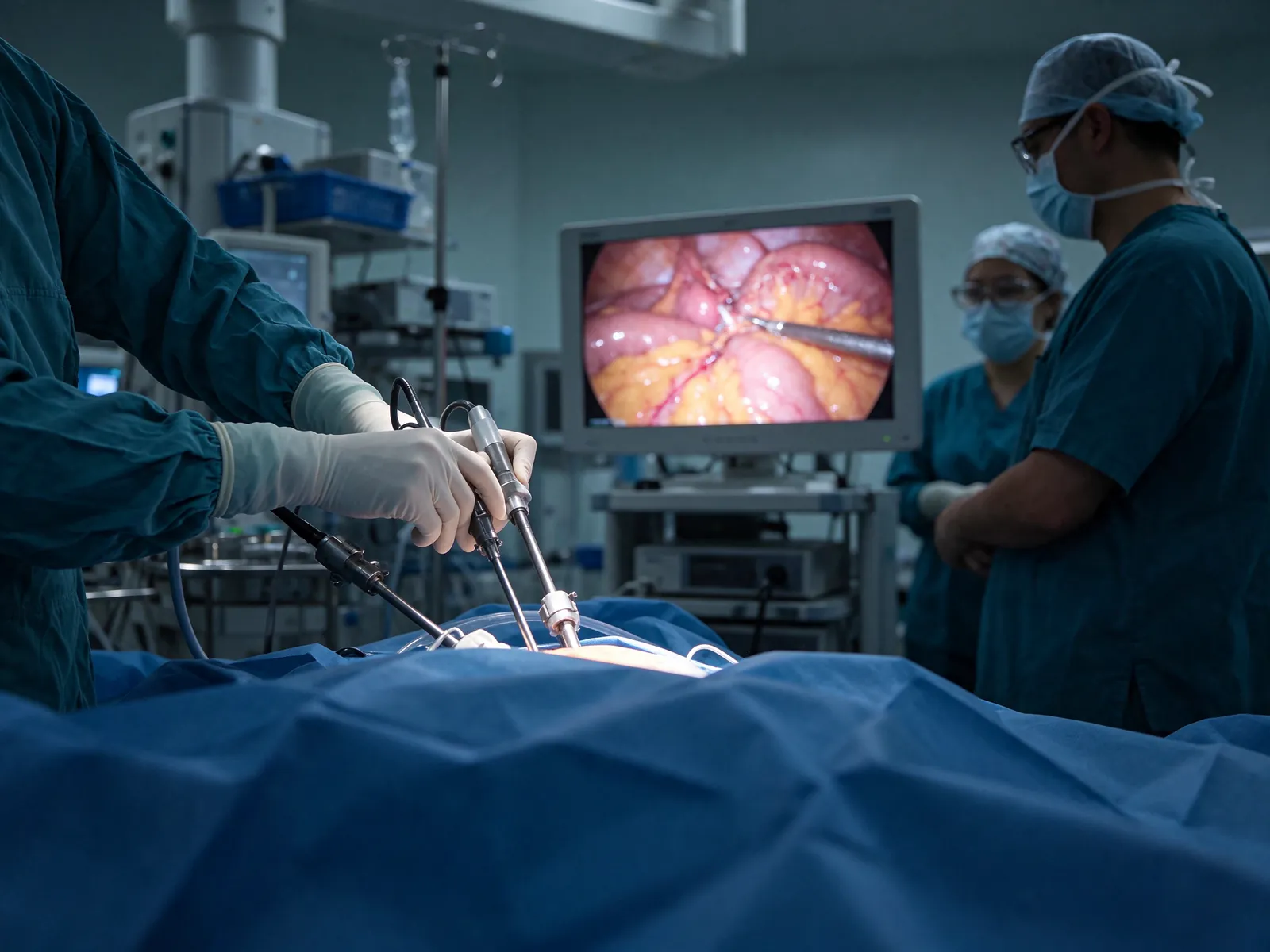
During colonoscopy, a flexible camera is inserted through the anus to examine the colon and, in most cases, the final part of the small bowel. Biopsies can be taken from suspicious areas, and polyps can be removed by polypectomy. For the procedure to be adequate, the entire colon must be reached, bowel preparation must be good, and the lining must be examined carefully.
Sedation may be given during colonoscopy. Temporary gas, bloating or cramps may be expected afterwards. A small amount of bleeding may occur if a polyp has been removed; heavy or ongoing bleeding, worsening abdominal pain, fever and a hard abdomen require urgent assessment. Perforation of the bowel wall is very rare, but the risk may vary depending on the size of the polyp and the removal technique.
CT colonography and sigmoidoscopy
CT colonography is a virtual examination of the inner surface of the colon using computed tomography after bowel preparation. Its advantages include not requiring sedation and being an option in some cases where colonoscopy cannot be completed. However, biopsies cannot be taken and polyps cannot be removed; if a significant finding is detected, colonoscopy is still required. Small lesions or incidental findings outside the bowel may need further assessment.
Sigmoidoscopy examines the rectum and the lower part of the colon. Preparation may be less extensive than for colonoscopy, but it does not assess lesions in the upper colon. How often it is used and the recommended intervals vary between countries. Whether the test is suitable for you should be assessed in light of your family history and previous findings.
Who is at higher risk?
Average risk is a term used for adults who have no significant family or personal risk factors. Having colorectal cancer in a first-degree relative—that is, a parent, sibling or child—increases the risk. The relative’s age at diagnosis is particularly important. If a first-degree relative was diagnosed with cancer before the age of 60, or if more than one first-degree relative in the family has been affected, screening is usually started at the age of 40 or 10 years before the relative’s age at diagnosis, and colonoscopy may be planned approximately every five years. Your individual family history may alter this interval.
Lynch syndrome is a cancer predisposition associated with an inherited defect in DNA repair. For these people, colonoscopy is often performed every 1–2 years, starting at the age of 20–25 or a few years before the earliest diagnosis in the family. Familial adenomatous polyposis (FAP) is another inherited syndrome that can lead to the development of numerous adenomas; it requires specialised follow-up starting in childhood or adolescence. Genetic counselling and assessment of family members are important.
In chronic inflammatory bowel diseases affecting the large bowel, such as ulcerative colitis or Crohn’s disease, cancer risk varies according to the duration and extent of the disease and how well the inflammation is controlled. For disease affecting a significant part of the colon, monitoring usually begins approximately eight years after diagnosis and is repeated every 1–3 years, depending on the individual. People who have previously had colorectal cancer or a polyp with advanced features are also not in the average-risk group.
Colonoscopy preparation and quality
A low-fibre diet for one or two days before colonoscopy, clear fluids in the hours before the procedure and the use of a bowel-cleansing solution may be recommended. The plan varies according to the time of the procedure and your health. Tell us in advance if you have kidney or heart disease, diabetes, could be pregnant or are taking blood thinners. Do not stop or change any medicines on your own.
A well-cleansed bowel increases the likelihood of noticing small polyps. If the preparation is inadequate, the doctor may not be able to assess the entire surface reliably, and the colonoscopy may need to be repeated sooner. Quality indicators include the caecal intubation rate, withdrawal time and adenoma detection rate. The adenoma detection rate is the proportion of people in whom at least one adenoma is found during screening colonoscopy; high quality helps reduce the risk of missing lesions.
Follow-up after polyp removal
The follow-up interval is not determined by a single factor. The number and size of polyps, their histological type, degree of dysplasia, whether they were completely removed, bowel preparation and family history are assessed together. For example, follow-up may be at a longer interval after one or a few small, low-risk tubular adenomas. Earlier colonoscopy is needed for large adenomas, villous features, high-grade dysplasia, multiple adenomas or certain serrated lesions.
After large lesions are removed in pieces, a follow-up examination may be performed within a few months to check whether any tissue remains. If the colonoscopy could not be completed or bowel preparation was poor, the shorter interval stated in the report should be followed. It is not appropriate to make a general plan such as “in five or ten years” before seeing the pathology results.
If cancer is detected during colonoscopy, assessment by surgery, oncology and radiology is needed. Complete removal of the polyp may often be sufficient; however, invasion, the resection margin or lymphovascular findings may affect the decision about further treatment. Ask for the follow-up recommendation in writing and add your next appointment to your calendar.
Important: Do not stop blood thinners, iron supplements or diabetes treatment on your own before a screening colonoscopy. The preparation and procedure plan should be adjusted according to the medicines you take.
What should you do if you have symptoms?
Assessment is needed if you have rectal bleeding, black stools, a persistent change in bowel habits, new constipation or diarrhoea, narrowing of the stools, unexplained iron-deficiency anaemia, abdominal pain or weight loss. Symptoms may be thought to be due to haemorrhoids or diet; nevertheless, diagnostic investigations should be planned, particularly if you are over 50 or in a risk group.
Severe or persistent bleeding, dizziness, fainting, palpitations, black, tarry stools or severe abdominal pain are reasons to seek urgent medical attention. If you have symptoms, do not wait for your turn in the screening programme’s two-yearly stool test. After an examination, a blood count, stool tests, colonoscopy or other imaging tests may be needed.
Habits that can help reduce risk
Eating plenty of fibre-rich vegetables, fruit, pulses and wholegrains; engaging in regular physical activity; maintaining a healthy weight; and avoiding long periods of inactivity are habits that can help reduce overall cancer risk. It is important to limit red and processed meat, reduce or stop drinking alcohol, and avoid smoking. These habits do not replace screening.
Plan screening appointments by sharing your family history, previous polyp reports and the medicines you take. Treatment decisions are made after assessment by gastroenterology or general surgery, taking your findings and personal risks into account.
Personalising the screening decision
Screening age is not determined by calendar age alone. If a colonoscopy has been performed before, the report is reviewed to check whether the examination was complete, whether bowel preparation was adequate, whether the caecum was reached, and what the pathology results of any polyps showed. Even if the previous result was normal, the screening programme may be revised if a family history comes to light later or a new risk factor emerges.
For older people with heart, lung or kidney disease, the expected benefits of screening are weighed alongside the risks of preparation and the procedure. Life expectancy, day-to-day functioning, sedation risk and the person’s preferences should be discussed. Screening is not provided at the same intensity to everyone or continued indefinitely. However, if symptoms are present, diagnostic assessment is needed regardless of age.
A stool test may offer a practical option for people who cannot access colonoscopy or for whom the preparation is not suitable. However, anyone choosing a stool test should be prepared to have a colonoscopy if the result is positive. It is important to repeat the test every year, or at the interval specified by the programme; a single negative test does not eliminate future risk. Follow the instructions for collecting and returning the sample kit.
Safety during colonoscopy
Before the procedure, tell your care team about any heart disease, sleep apnoea, allergies, possibility of pregnancy, blood thinners and diabetes medicines. Reflexes may be slower for a while after sedation, so you may need to avoid driving on the same day and arrange for an adult to accompany you. Follow the centre’s instructions about fasting and clear fluids before the procedure.
The method used to remove a polyp is chosen according to its size, whether it is stalked or flat, and its location. Larger lesions may be removed in one piece or in sections; removal in sections can make it harder to interpret the pathology margins and may require an early follow-up. The colonoscopist records the findings seen during the procedure and the tissue removed. The follow-up interval should not be finalised until the pathology result is available.
Mild wind and cramps are common after colonoscopy. Increasing or severe abdominal pain, a hard abdomen, fever, heavy rectal bleeding, passing clots, dizziness or fainting are reasons to seek urgent medical attention. Delayed bleeding may also occur for several days after polyp removal, so follow the warnings in the procedure report. The risk of bleeding varies according to the size of the polyp removed and the method used.
Inherited risk and genetic assessment
Lynch syndrome or FAP may be suspected in cases of colorectal cancer at a young age, more than one bowel or womb cancer in the family, numerous adenomas, or more than one cancer in the same person. Genetic counselling takes a detailed family history and explains which test may be appropriate. Genetic results may affect not only the person but also the screening of their blood relatives.
For people with ulcerative colitis or Crohn’s colitis, colonoscopic surveillance is planned according to how long the bowel has been inflamed and how extensive the inflammation is. Active inflammation can make dysplasia assessment more difficult; an experienced team and a suitable imaging technique are important. Any new bleeding or change in bowel habits should be reported without waiting for the next scheduled follow-up appointment.
People with a first-degree relative who has had cancer may find it helpful to learn the age at diagnosis and obtain the relevant reports. If it is unclear whether the condition known in the family as “bowel cancer” was a polyp or cancer, or what age the person was when diagnosed, this uncertainty may affect the screening plan. Any available records should be taken to a genetic or gastroenterology assessment.
How should you read a polyp report?
The pathology report may include terms such as adenoma, serrated lesion or hyperplastic polyp. The size, number and degree of dysplasia are recorded in the colonoscopy report; the cell structure and information about invasion are provided by the pathology report. The phrase “completely removed” suggests that the polyp was removed with clear margins; however, a follow-up colonoscopy may still be needed for large lesions or those removed in pieces.
High-grade dysplasia indicates that the cells are markedly abnormal and does not mean the same as invasive cancer. Invasion occurs when tumour cells pass through the surface layer of the polyp and reach deeper tissues. If this finding is present, the surgical margin, involvement of blood vessels or lymphatic vessels, and degree of differentiation may affect decisions about further treatment.
Ask for the follow-up date to be written in the report rather than receiving it only verbally. If bowel preparation was inadequate, the polyp could not be completely removed, or an insufficient sample was taken for pathology, the procedure should not be considered a “normal colonoscopy”. Keeping your reports together in one file helps future doctors assess your risk accurately.
Diet and lifestyle habits
Fibre from vegetables, fruit, pulses and whole grains supports bowel movements. As increasing fibre intake suddenly can cause gas and bloating, increasing it gradually alongside adequate fluid intake may be better tolerated. Reducing your intake of red meat, especially processed meat, exercising regularly and preventing excess weight may help reduce the risk of colorectal cancer.
Smoking and alcohol use are risk factors for many cancers and cardiovascular diseases. Support to stop smoking, dietary advice and a physical activity plan can be tailored to each person. It is not appropriate to start aspirin or another medicine solely to prevent cancer; the risk of bleeding and the cardiovascular benefit should be assessed together by a doctor.
Screening does not replace a healthy lifestyle, and a healthy lifestyle does not replace screening. You should have screening at the appropriate age and risk level when you have no symptoms, and should not delay diagnostic assessment if symptoms develop. Decisions are made after reviewing your family history, previous reports and overall health.