On this page · 15 headings
What is Roux-en-Y gastric bypass?
Roux-en-Y gastric bypass is a metabolic and bariatric surgical procedure in which a small pouch is created in the upper part of the stomach and the small intestine is rearranged into a Y shape. The gastric pouch created is usually about 15–30 ml in volume and is separated from the rest of the stomach. This small pouch is connected to the part of the small intestine known as the alimentary limb. The biliopancreatic limb, which carries bile and pancreatic fluids, is connected to the alimentary limb further down; the two limbs then join to form the common channel.
As well as reducing stomach capacity, the procedure changes when food comes into contact with digestive fluids. This means that people eat less and there is also some reduction in absorption. Gut hormones, bile acids and the gut microbiota also change. Roux-en-Y gastric bypass was one of the main benchmark procedures in bariatric surgery for many years; today, the choice is made in consideration of individual risks and expectations.
The first technical descriptions are associated with Mason in 1967. The work of Wittgrove and colleagues in 1994 was an important milestone in the wider adoption of the laparoscopic approach. Today, the procedure is usually performed through small incisions with the aid of a camera. Because the passage through the intestine is changed, the operation requires lifelong vitamin and mineral monitoring and regular blood tests.
How does the operation lead to weight loss?
A stomach pouch of about 15–30 ml creates a feeling of fullness with a small amount of food. Large bites or eating quickly may cause pressure behind the breastbone, pain, nausea and vomiting. Over time, the pouch and the connection may adapt to some extent; for this reason, portion size, eating slowly and stopping when you feel full remain important in the long term.
Separating the alimentary limb from the biliopancreatic limb means that food comes into contact with bile and pancreatic enzymes further down the intestine. This change may reduce the amount of energy absorbed. Reduced absorption contributes to weight loss; it also increases the risk of deficiencies in nutrients such as iron, vitamin B12, calcium, vitamin D and protein. In most procedures, the intestinal limbs are approximately 100–150 cm long for the alimentary limb and approximately 50–100 cm for the biliopancreatic limb; the exact measurements may vary according to individual anatomy and the surgical plan.
A marked increase or change may occur in gut hormones such as GLP-1 and PYY. These hormones play a role in insulin response, fullness, appetite and stomach emptying. Bile acids and the gut microbiota may also affect the metabolic response. As a result, in some people, blood glucose levels may begin to improve soon after surgery, before weight loss is complete. Preferences for sweet and fatty foods may change, but the operation does not completely eliminate behavioural eating problems.
Who is it particularly considered for?
For some people with significant reflux disease who are planning weight-loss surgery, Roux-en-Y gastric bypass may be more suitable than sleeve gastrectomy, which can worsen reflux. If a hiatal hernia is also present, repair of the hernia and bypass surgery may be considered together. Barrett’s oesophagus, meaning cellular changes in the lower part of the oesophagus caused by chronic reflux, requires particular care when choosing the procedure and is considered alongside an assessment by a gastroenterologist.
Obesity-related conditions such as type 2 diabetes, high blood pressure, sleep apnoea, fatty liver and metabolic syndrome are also important when assessing suitability. The ASMBS/IFSO 2022 criteria support considering metabolic and bariatric surgery in adults with a BMI of 35 kg/m² or higher; for those with a BMI of 30–34.9 kg/m², they support individual assessment, particularly where metabolic diseases are difficult to control. These criteria do not mean that surgery is automatically recommended.
Roux-en-Y may be an option for revision surgery in people whose reflux continues after sleeve gastrectomy or whose weight loss has been insufficient. First, the condition of the gastric sleeve and oesophagus, the reason for weight regain, eating habits and technical details of the previous operation are reviewed. The effects of bypass on absorption and the demands of follow-up should be clearly understood before surgery.
Advantages and limitations
One important potential benefit of Roux-en-Y bypass is its effect on reflux. Because the stomach pouch is small and the flow of bile is separated from the food pathway, acid and bile reflux may decrease in many people. However, symptoms may continue if there is a hiatal hernia, an anastomotic stricture, an ulcer or another condition. Improvement in reflux does not remove the need for endoscopic follow-up.
Its metabolic effect is significant; blood glucose levels and the need for medication may decrease in type 2 diabetes. The SOS study, which provides long-term observational data, and the STAMPEDE study, which compares surgery with intensive medical treatment, are important studies assessing the effects of surgery on weight and metabolic outcomes in selected patients. The results of these studies are not a promise of individual outcomes; the benefits and risks of surgery should be weighed on an individual basis.
Limitations of the procedure include having two anastomoses, the possibility of a longer operation due to its technical complexity, internal hernia, marginal ulcer, dumping syndrome and nutritional deficiencies. It is more difficult to reach the bypassed part of the stomach using standard endoscopy; this may affect the planning of some investigations in the future. The remaining stomach and duodenum can be assessed using specialised endoscopic methods when clinically necessary.
Preoperative preparation
The assessment covers BMI, eating behaviours, weight history, associated conditions, medications and previous operations. Blood count, iron and ferritin, B12, folate, vitamin D, calcium, albumin, liver and kidney tests, and blood glucose are checked. If anaemia or a vitamin deficiency is present, it is treated before surgery whenever possible.
Upper gastrointestinal endoscopy provides information about the oesophagus, stomach and duodenum. Reflux damage, Barrett’s oesophagus, ulcers, hiatal hernia and Helicobacter pylori are investigated. If Helicobacter pylori is detected, appropriate treatment is given to eradicate it. In cases of significant reflux, further investigations such as pH monitoring or motility tests may be planned if necessary.
Heart and lung assessments help determine the risks of anaesthesia. If there are symptoms of sleep apnoea, a sleep study is performed and any necessary device-based treatment is arranged. The dietitian explains the stages of liquid and solid eating, protein targets and how to prevent dumping. Psychological assessment addresses eating disorders, emotional eating, expectations and adherence to follow-up.
Before surgery, a low-calorie or predominantly liquid programme is generally used to try to reduce fatty change in the liver and its size. Smoking should be stopped; smoking can impair anastomotic healing and increase the risk of marginal ulcers. Blood thinners, diabetes medicines, blood pressure medicines and other treatments are planned with the healthcare team. Transport home after surgery, support and the timing of returning to work should be arranged in advance.
Technical stages of the operation
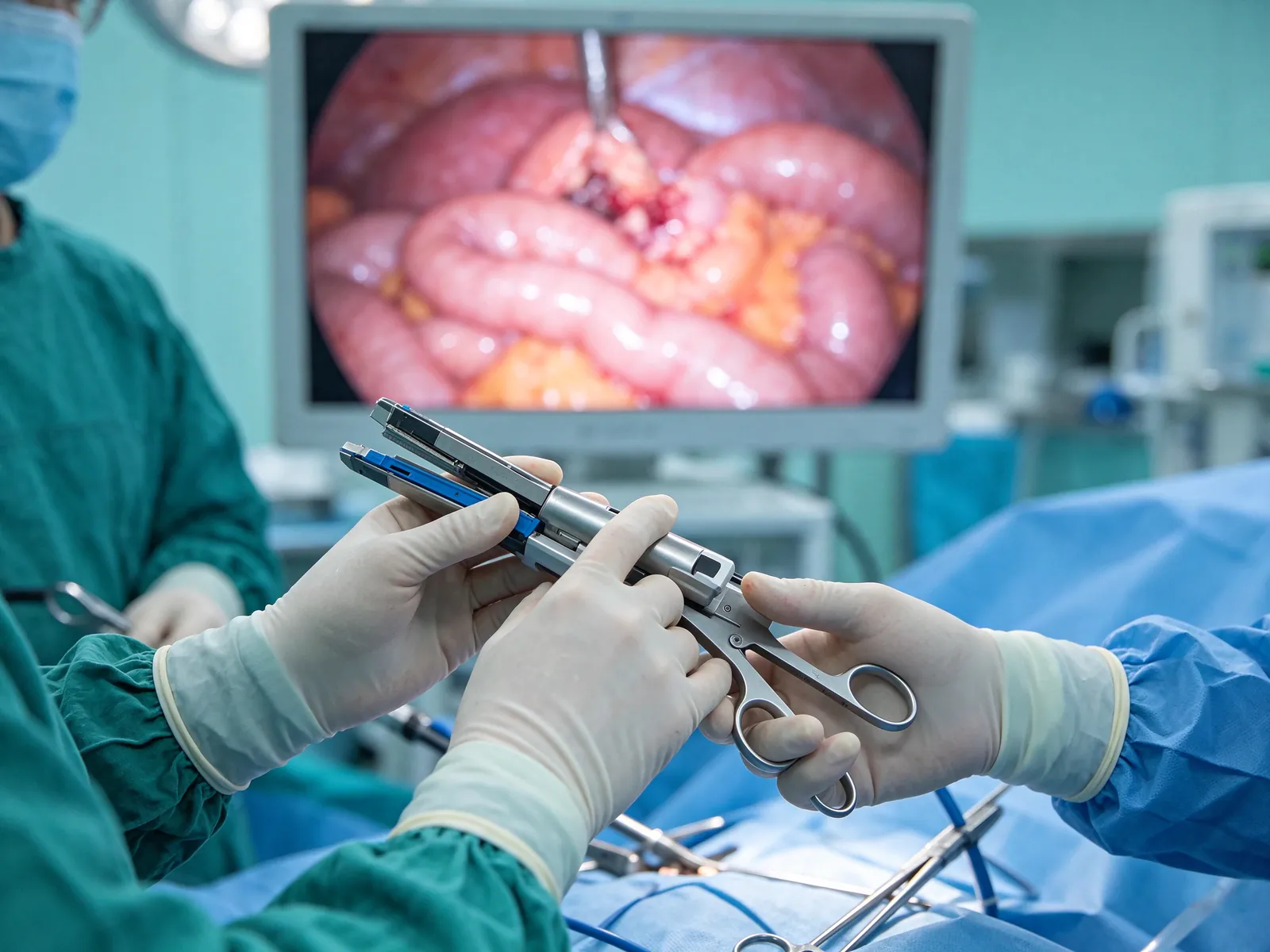
Roux-en-Y gastric bypass is performed under general anaesthesia, usually using a laparoscopic approach. The upper part of the stomach is divided to create a small pouch with a volume of approximately 15–30 ml. The remaining part of the stomach is not removed, but food does not pass through it. The small intestine is prepared at a suitable point, and the food-carrying limb is brought up to the stomach pouch and connected by the first anastomosis, called a gastrojejunostomy.
A lower section of the intestine is arranged as the biliopancreatic limb. This limb carries bile and pancreatic fluids and is connected to the food-carrying limb at a specific point by the second anastomosis, called a jejunojejunostomy. After the two limbs join, digestive fluids and food meet in the common channel. The lengths of the intestinal limbs are usually planned approximately for most patients, but may be adjusted according to body structure and nutritional risk.
The mesentery is fatty, blood-vessel-rich tissue that attaches the intestines to the back wall of the abdomen. Reorganising the intestines can create openings in the mesentery; the small intestine may pass through these openings and form an internal hernia. For this reason, Petersen’s space and the mesenteric openings are closed with appropriate sutures. Closure helps reduce the risk of an internal hernia but does not eliminate it completely.
The anastomoses are checked for leaks, bleeding and passage. Some centres may perform endoscopic or imaging-based checks. The duration of the operation varies depending on the person’s anatomy, previous operations, hiatal hernia repair and adhesions. The fact that the procedure involves two connections can make it more complex than sleeve gastrectomy.
Hospital stay and early recovery
After surgery, pain, nausea, breathing and fluid balance are monitored. When possible, patients get out of bed on the same day or the following day and start taking short walks. Early movement helps reduce the risk of lung problems and blood clots in the veins. Mechanical compression of the legs, compression stockings or blood-thinning medicines are used according to the person’s risk.
Fluids are usually started in small sips. Drinking quickly can put pressure on the pouch and cause nausea. Fluid tolerance, pain control, pulse, temperature and abdominal examination findings are assessed. Most people stay in hospital for around 2–3 days; however, other medical conditions, inability to take fluids, suspected bleeding or another problem may change this period.
After discharge, continue taking short, frequent walks and avoid heavy lifting. Report any redness, discharge, wound opening or progressively worsening pain at the incision sites. A rapid pulse, fever, shortness of breath, chest pain, persistent vomiting or inability to take fluids may require urgent assessment. New, severe abdominal pain is important even months or years after surgery, as it may indicate late complications such as an internal hernia.
Nutrition and preventing dumping syndrome
Nutrition progresses through clear liquids, full liquids, puréed foods, soft foods and solid foods. The timing of each transition depends on the person’s recovery, nausea or vomiting, and the surgical team’s plan. Try new foods one at a time in small amounts. Eat slowly, chew each mouthful well, and stop when you feel full or pressure.
The usual target is 1.5–2 litres of fluid a day. Sip fluids throughout the day and avoid drinking large amounts at the same time as meals. Leaving a gap of 20–30 minutes between meals and fluids may be more comfortable for most people. The daily protein target is usually 60–80 grams or more; this is individualised according to kidney function, muscle mass and nutritional status. Prioritise a source of protein at every meal.
Dumping syndrome is a group of symptoms that develops when foods high in sugar or eaten quickly pass into the small intestine too soon. Early dumping usually occurs within the first few minutes or first hour after a meal; symptoms may include abdominal cramps, rumbling, nausea, diarrhoea, sweating, palpitations, facial flushing and dizziness. Late dumping is usually associated with a drop in blood sugar due to the insulin response, occurring 1–3 hours after a meal; symptoms may include trembling, cold sweats, weakness, hunger, difficulty concentrating and fainting.
To help prevent dumping, avoid sugary drinks, fruit juice, syrup-soaked desserts and foods high in refined carbohydrates; eat small, regular meals; and increase protein and fibre intake. Separating fluids from meals may also help. For recurrent late hypoglycaemia, a food diary and blood glucose assessment are carried out; medication or further treatment options are needed rarely. Fainting, confusion or low blood sugar that does not improve requires urgent care.
Vitamin and mineral supplementation
After Roux-en-Y bypass, the passage of food through the stomach, duodenum and part of the small intestine changes. For this reason, most people take multivitamin, B12, iron, calcium citrate and vitamin D supplements for a long time, usually for life. Iron requirements may increase in people who menstruate, those with anaemia and during pregnancy. Calcium in citrate form may be preferred; the dose and how it is divided are adjusted by the healthcare team.
B12 can be given under the tongue, by mouth or by injection. Iron and calcium may be taken at different times because taking them together can reduce absorption. Folate, zinc, vitamins A, E and K, and thyroid and bone metabolism are monitored according to the clinical situation. Hair loss, numbness, a burning tongue, difficulty seeing at night, bone pain, swelling in the legs or marked tiredness may be signs of a deficiency.
Blood tests are generally planned at one, three, six and twelve months during the first year after surgery, and at least annually thereafter. A full blood count, ferritin and iron, B12, folate, vitamin D, calcium, albumin, and liver and kidney tests are included in routine monitoring. If protein deficiency becomes severe, swelling, muscle loss and immune problems may occur; early nutritional support is needed.
Risks and late complications
In the early period, leakage from the anastomosis or stomach pouch, bleeding, infection, problems with anaesthesia and blood clots may occur. A gastrojejunal stricture can make it difficult for food to pass, causing repeated vomiting and inability to take in fluids. A marginal ulcer forms around the connection between the pouch and the intestine; it may cause symptoms such as upper abdominal pain, nausea, bleeding or anaemia.
Smoking, NSAID painkillers, alcohol and Helicobacter pylori may increase the risk of a marginal ulcer. For this reason, it is important to avoid smoking and alcohol, and not to take medicines such as ibuprofen or naproxen without the healthcare team’s knowledge. Vomiting blood, vomit that looks like coffee grounds or black stools require urgent assessment.
An internal hernia occurs when the small intestine passes through openings in the mesentery and becomes trapped. Abdominal pain may come and go or fluctuate; nausea, vomiting and bloating may also occur. As openings that have previously been closed can widen over time, the fact that a long time has passed since surgery does not rule out the risk. New, unexplained abdominal pain, particularly during weight loss, requires urgent surgical assessment.
Gallstones can form during rapid weight loss and may cause pain in the upper right abdomen, nausea or jaundice. Nutritional deficiencies and protein deficiency may develop over the long term. After bypass, alcohol is absorbed more quickly and can cause a higher blood alcohol level than expected; this increases the risk of alcohol use disorder and road or workplace safety problems. Avoiding alcohol is the recommended approach.
Expected results and metabolic effects
Studies have reported an average loss of 70–80% of excess weight in the first 1–2 years after Roux-en-Y bypass. Excess weight is the amount above the weight corresponding to a BMI of 25. Results vary according to starting weight, age, muscle mass, bowel length, diet, activity, sleep and adherence to follow-up. Weight loss is usually faster in the first 12–18 months; afterwards, weight may stabilise or some regain may occur. Averages reported in studies are not a promise of individual results.
In type 2 diabetes, insulin resistance and blood glucose levels may improve rapidly; hypertension medication may be reduced, and sleep apnoea and joint strain may ease. Diabetes follow-up should continue even if blood glucose returns to normal. The healthcare team may reduce or adjust medication; stopping it or continuing at the same dose without medical advice may lead to hypoglycaemia and other problems.
The SOS study is one of the important observational studies examining long-term weight and health outcomes. The STAMPEDE study compared metabolic surgery with intensive medical treatment in selected people with type 2 diabetes. These studies help us understand the role of bypass in metabolic diseases; however, results cannot be applied directly to everyone because each person’s age, duration of illness and follow-up circumstances differ.
Choosing between mini bypass and sleeve gastrectomy
Sleeve gastrectomy reduces stomach volume without changing the passage of food through the intestine. Therefore, although the risk of vitamin deficiency differs from that with bypass procedures and is often more limited, reflux may develop or worsen. Mini gastric bypass connects the stomach pouch to the intestine with a single anastomosis and involves more pronounced malabsorption and discussion of bile reflux. Roux-en-Y creates two anastomoses, separates the flow of bile from the route taken by food and may offer an advantage for people with reflux; however, it carries risks such as internal hernia and dumping syndrome.
| Feature | Roux-en-Y bypass | Mini gastric bypass | Sleeve gastrectomy |
|---|---|---|---|
| Stomach structure | 15–30 ml pouch | Long, narrow pouch | Tube-shaped stomach |
| Anastomosis | Two | One | None |
| Effect on reflux | Usually decreases | Risk of bile reflux | May increase |
| Absorption | Decreases | May decrease more markedly | Remains natural |
| Specific risks | Internal hernia, dumping syndrome | Bile reflux | Narrowing, reflux |
| Revision | Technically possible | Technically possible | Can be converted to bypass |
Significant reflux, Barrett’s oesophagus, diabetes, previous sleeve gastrectomy, nutritional risk and adherence to follow-up are considered together when making a choice. The advantage of a single anastomosis with mini bypass, the feature of Roux-en-Y that separates reflux and bile flow, and the fact that sleeve gastrectomy does not change intestinal absorption are weighed in light of the individual medical situation. The same operation does not offer the same balance of benefits and risks for everyone.
Long-term follow-up and pregnancy
Follow-up includes assessing weight, blood glucose, blood pressure, reflux, dumping symptoms, abdominal pain, bowel movements, alcohol use, mental wellbeing and activity habits. Check-ups are more frequent during the first year and are then needed at least annually. Even if blood tests are normal, it is not advisable to stop the recommended supplements; some deficiencies can develop before symptoms appear.
When weight regain begins, fluid calories, sugary snacks, increasing portion sizes, insufficient protein, inactivity, disrupted sleep and emotional eating are investigated. Early support from a dietitian, behavioural therapy and an activity plan may be helpful. Endoscopy may be performed if an anatomical change in the pouch or anastomosis is suspected. The decision to perform revision surgery is made after assessing anatomical findings and nutritional status together.
Pregnancy is generally postponed until approximately 12–18 months after surgery because of the risk of rapid weight loss and nutritional deficiencies. Before pregnancy, a full blood count, iron, ferritin, B12, folate, vitamin D, calcium, protein and other relevant levels are checked. Supplements are adjusted to suit pregnancy, and growth, blood glucose and nutrition are closely monitored throughout pregnancy. Contraception should be planned according to changes in absorption after surgery and individual risks.
The long-term benefit of Roux-en-Y bypass depends not only on weight loss, but also on monitoring reflux and metabolic diseases, regular protein and fluid intake, lifelong supplementation, avoiding smoking and NSAIDs, and taking new abdominal pain seriously. Keeping follow-up appointments helps problems that may arise later to be identified early.
Practical steps in daily life
Planning meals in advance after Roux-en-Y bypass reduces the risk of dumping, eating too quickly and inadequate protein intake. It may help to serve food on a small plate, starting with a protein source, then adding suitable vegetables and a limited amount of complex carbohydrates. Sugary drinks, fruit juice, syrup-soaked desserts and highly refined carbohydrates can trigger early or late dumping symptoms. Instead of drinking large amounts of fluid with meals, fluids should be spread throughout the day.
When going to work, school or travelling, you can take water, a suitable protein option and your regular supplements with you. Going without food for a long time makes it easier to eat quickly and too much afterwards. Take small bites and chew them well. Stop eating if you feel pressure behind the breastbone, nausea or sweating. You can try a new food on its own and observe whether it causes symptoms.
Start with short walks; as recovery progresses, add endurance and muscle-strengthening exercises. Strenuous exercise without adequate protein and fluid intake can lead to dizziness and muscle loss. For people taking diabetes or blood pressure medicines, blood glucose and blood pressure may change during exercise, so the programme should be planned with the healthcare team.
Symptoms requiring urgent medical attention
Fever, a rapid pulse, worsening abdominal or shoulder pain, shortness of breath, chest pain, fainting, persistent vomiting and inability to keep fluids down may indicate problems such as an early leak, bleeding or a blood clot. Vomiting blood, vomit that looks like coffee grounds, or black stools also require urgent assessment. Do not wait, even if these symptoms improve, particularly if a rapid pulse and abdominal pain occur together.
New, recurrent or worsening abdominal pain that starts months or years after surgery is important to assess for an internal hernia. The pain may temporarily ease; this does not mean that there is no problem. If vomiting, bloating and inability to pass wind or stool also occur, bowel obstruction should also be assessed. When seeking urgent medical attention, be sure to mention that you have previously had Roux-en-Y bypass surgery.