On this page · 13 headings
How is obesity defined?
Obesity is a long-term, relapsing disease characterised by an accumulation of body fat to a level that may adversely affect health. It is not simply a matter of willpower or appearance; many biological and environmental factors affect appetite, energy use, hormones, sleep patterns and mental wellbeing. For this reason, the aim of treatment is not only to reduce the number on the scales, but also to manage associated conditions and improve mobility and quality of life.
Body mass index (BMI) is commonly used as a screening measure during the initial assessment. BMI is calculated by dividing body weight in kilograms by height in metres squared: BMI = weight (kg) / height² (m²). It is not a definitive measure of health on its own; muscle mass, age, sex, ethnic background and the distribution of body fat can affect the result.
BMI categories and waist circumference
The general categories for adults are as follows:
- Overweight: BMI 25.0–29.9
- Class I obesity: BMI 30.0–34.9
- Class II obesity: BMI 35.0–39.9
- Class III obesity: BMI 40 and above
Waist circumference helps assess abdominal fat and metabolic risk, particularly fat around the internal organs. As measurement technique, sex, ethnic background and the thresholds used can vary, decisions are not made on the basis of a single figure. BMI and waist circumference are interpreted alongside blood pressure, blood glucose, cholesterol, liver health, sleep and joint symptoms.
Note: BMI is a starting measure; it does not determine suitability for surgery, health status or an individual weight target on its own. A clinical examination and laboratory assessment are required.
Which conditions are associated with obesity?
The effect of weight gain on health is closely related to the distribution of body fat and how long it has been present. Obesity may occur alongside type 2 diabetes, insulin resistance, high blood pressure and abnormal blood fat levels. These metabolic changes may increase the risk of cardiovascular disease and, in some people, contribute to kidney, blood vessel or nerve damage.
Obstructive sleep apnoea, caused by narrowing of the upper airway during sleep, may present as loud snoring, pauses in breathing during sleep, morning headaches and daytime sleepiness. Metabolic dysfunction-associated steatotic liver disease (MASLD) can lead to fat build-up in the liver and, in more advanced cases, inflammation and fibrosis. Reflux, gallstones and pain caused by strain on joints such as the knees and hips are also common problems.
Reproductive health may also be affected. In women, this may include irregular periods, ovulation problems and infertility associated with polycystic ovary syndrome (PCOS); hormonal and sexual function changes may occur in men. Obesity is associated with an increased risk of some types of cancer, but this association does not replace cancer screening tailored to the individual. Depression, anxiety, eating behaviour problems and stigma should also be included in the assessment.
What are the stages of treatment?
Treatment is considered a stepwise, long-term plan rather than a single approach. Eating habits, physical activity, sleep, stress management and behavioural change are the foundation at every stage. Support from endocrinology, a dietitian, psychology or psychiatry is added when needed. Previous attempts are reviewed in a non-judgemental way to understand why they could not be maintained; goals are set realistically and measurably.
Medication may be added to lifestyle support for suitable individuals. GLP-1 receptor agonists may reduce appetite, increase feelings of fullness and improve blood glucose control in some people. Before treatment starts, co-existing conditions, the possibility of pregnancy, drug interactions and side effects are assessed. As weight may be regained after stopping the medication, a sustainable follow-up plan is needed.
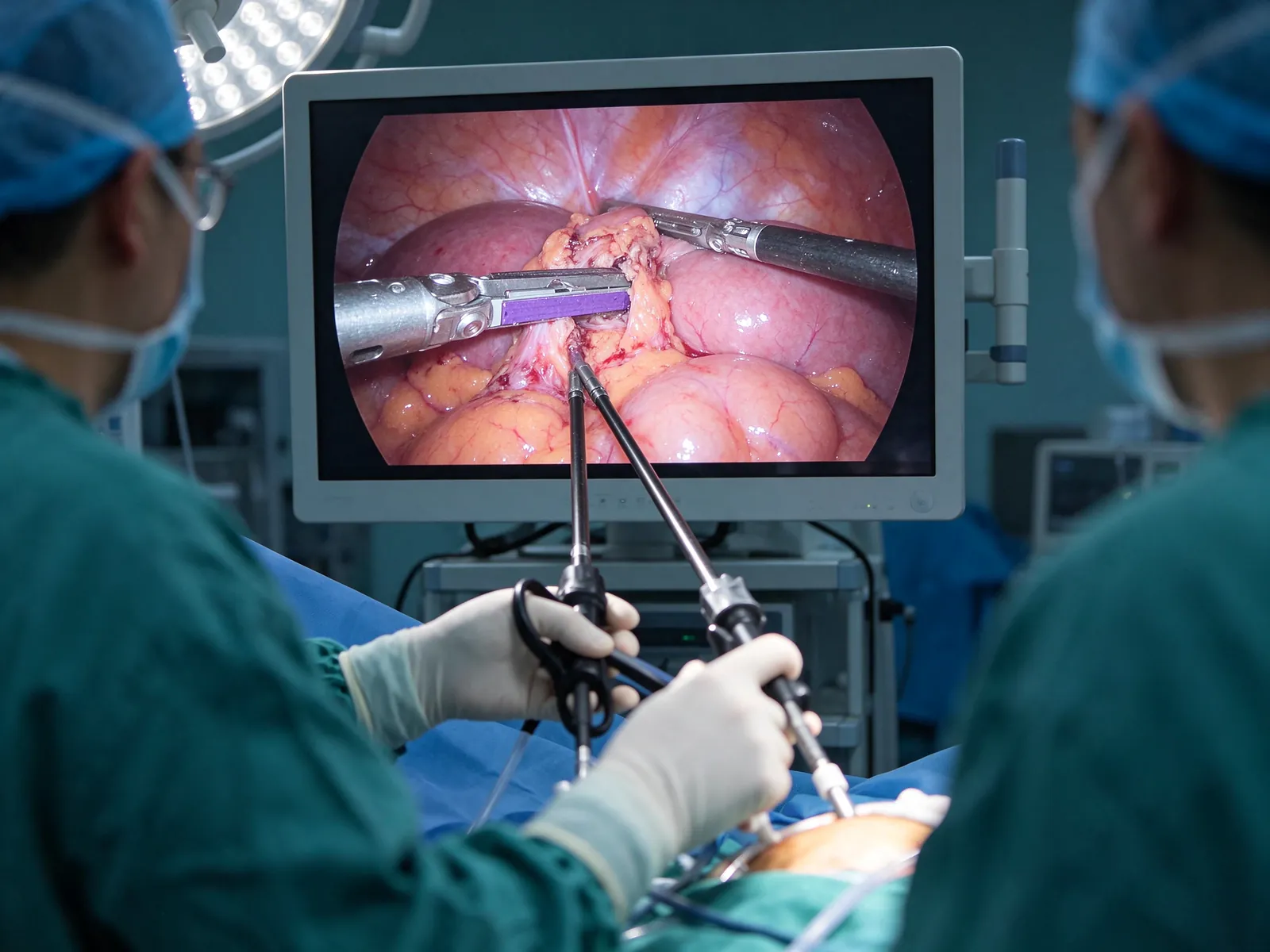
With endoscopic methods, such as a gastric balloon, a temporary device is placed in the stomach to help promote early fullness. This may be less invasive than surgery; however, its effect depends on how long the device is used and on behavioural changes afterwards. Surgery is a treatment option that permanently changes stomach volume, hormones or the passage of food through the intestines.
When is surgery considered?
According to the 2022 ASMBS/IFSO recommendations, metabolic and bariatric surgery may be considered for adults with a BMI of 35 or above, even if they do not have co-existing conditions. For those with a BMI of 30–34.9, metabolic conditions such as type 2 diabetes, or failure to achieve sufficient and lasting weight loss with non-surgical methods, may prompt consideration. As metabolic risk can increase at lower BMI values in people of Asian origin, thresholds may generally be considered from around a BMI of 27.5.
For adolescents, decisions are made in selected cases after considering growth and development, psychosocial status, family support and ability to follow treatment together. An upper age limit is not decisive on its own; biological age, organ function, mobility, frailty and anaesthetic risk are more important. The balance of benefits and risks should be assessed individually for each person.
Surgery is not a short-term procedure that replaces the desire to lose weight. After surgery, eating habits, portion sizes, supplements and follow-up appointments need to change. The treatment decision is made after a detailed assessment with your surgeon.
How is multidisciplinary assessment carried out?
Assessment requires different specialists to work towards the same goal. At the general surgery consultation, your medical history, previous operations, medications, weight history and possible treatment options are discussed. Endocrinology assesses blood glucose, thyroid function and other metabolic conditions; a dietitian evaluates current eating habits, eating speed, liquid calorie intake and ability to follow post-operative recommendations.
A consultation with psychiatry or psychology is important in relation to depression, uncontrolled episodes of overeating, body image, addiction risk and ability to keep up with follow-up. This consultation is not intended to prevent surgery, but to make treatment safer and identify any support needed. Anaesthetic assessment and consultations with respiratory medicine and cardiology are arranged according to heart and lung risk.
Pre-operative blood tests, electrocardiography, assessment for sleep apnoea or evaluation of the liver may be needed. Gastroscopy can provide information about reflux, ulcers, gastritis, hiatal hernia and stomach anatomy. It is not necessary for every patient to have the same tests; the investigations are tailored to the findings.
General comparison of the five methods
The figures given for operations show excess weight loss, meaning the average proportion of excess weight lost. Excess weight is the amount above the weight corresponding to a BMI of 25. For example, for someone who is 1.70 m tall and weighs 120 kg, the weight corresponding to a BMI of 25 is approximately 72 kg, and their excess weight is approximately 48 kg; 60–80% of this weight is approximately 29–38 kg. Figures for surgery are mostly averages reported during the first 1–2 years; some weight regain may occur over a longer period. For example, in the 10-year results of the SLEEVEPASS study, excess weight loss was an average of 43.5% after sleeve gastrectomy and 51.9% after Roux-en-Y bypass. For gastric balloons and medication, the figures refer to the percentage reduction in total body weight. Results vary according to initial BMI, follow-up, diet, activity, method and health conditions. With non-surgical methods, the risk of weight regain if treatment is not continued should be given particular consideration.
| Method | How it works | Average weight loss | Effect on reflux | Reversibility | Main advantage / disadvantage |
|---|---|---|---|---|---|
| Gastric balloon | Temporary volume and early satiety | 10–15% of body weight | May increase in some people | Yes | Non-surgical; support should continue after removal |
| GLP-1 agonists | Effects on appetite and stomach emptying | 8–21% of body weight, depending on the medicine | Variable; nausea may occur | Weight may be regained when the medicine is stopped | Injection or tablet; long-term use may be needed |
| Sleeve gastrectomy | Changes in stomach volume and appetite hormones | 60–80% of excess weight | May develop or worsen | Usually no | Intestinal transit is unchanged; the procedure is irreversible |
| Mini gastric bypass | Small stomach and a single intestinal connection | 70–80% of excess weight | Reflux type and bile reflux are assessed | Partly | May be effective for diabetes; monitoring for nutritional deficiencies is needed |
| Roux-en-Y gastric bypass | Small stomach and two intestinal connections | 70–80% of excess weight | May reduce acid reflux | Partly | Benefits for reflux and diabetes; more comprehensive vitamin monitoring is needed |
This table alone is not sufficient for making a decision. Reflux, previous stomach surgery, duration of diabetes, regular medication use and eating habits can all affect the choice of method.
What affects the choice of method?
Initial BMI and the intended health benefits are the first considerations; however, two people with the same BMI may be suited to different methods. The possible effects of sleeve gastrectomy would be discussed separately for someone with severe reflux, whereas the metabolic effects of bypass options may be more relevant for someone else who has had diabetes for a long time. Habits such as frequent snacking, consuming liquid calories, eating at night, favouring sweet foods or eating quickly also inform the choice of method and support plan.
The ability to attend follow-up should be assessed realistically. For people who cannot keep up with vitamin and mineral checks, manage their protein intake or access support for exercise, it may first be necessary to reduce these barriers. Expectations are also important: the aim should not be a particular appearance, but reducing health risks, improving mobility and establishing sustainable habits.
Metabolic surgery and diabetes remission
Metabolic surgery can affect blood glucose control through weight loss, as well as through its effects on gut hormones, insulin sensitivity and appetite pathways. In type 2 diabetes, a reduction in the need for medication or a period when blood glucose targets can be maintained without medication is called remission. Remission does not mean that diabetes will never return; blood glucose levels may rise again, particularly in people who have had the condition for a long time.
Before surgery, HbA1c, insulin and other medicines being used, kidney function, duration of diabetes and the pancreas’s insulin production are assessed. As medication doses may need to be changed quickly after surgery, blood glucose monitoring is planned with the healthcare team. Diabetes check-ups should not be stopped, even if weight loss is progressing well.
When may surgery be postponed or unsuitable?
Surgery is generally postponed, or relevant support is started first, in cases of uncontrolled mental health conditions, active alcohol or substance dependence, difficulty understanding the treatment plan, or inability to attend regular follow-up. These circumstances may not mean permanent exclusion; the person can be reassessed once safe conditions are in place. Pregnancy, breastfeeding or plans to become pregnant soon can also affect the timing.
Surgery is not considered until risks have been reduced in people with a very high anaesthetic risk or serious, uncontrolled heart or lung disease. If there is an active infection, an untreated ulcer or another significant medical problem, this is addressed first. How blood thinners and other medicines should be adjusted is planned together with the relevant specialists; do not stop medicines on your own.
Life and follow-up after surgery
In the early period, eating usually progresses from clear liquids to puréed and soft foods, and then to small, balanced meals. Adequate protein is important to limit muscle loss. Eating more slowly, chewing food well, separating meals and liquids by an appropriate interval, and avoiding sugary drinks are part of many plans; the individual programme is tailored to the type of surgery.
Vitamin and mineral supplements are lifelong for most people. Iron, B12, folate, calcium, vitamin D, protein status and, when needed, other values are monitored with regular blood tests. Walking is started early; in the following weeks, resistance exercise helps preserve muscle mass. The exercise plan is increased gradually according to joint health and overall capacity.
During the period of rapid weight loss, it is generally recommended to postpone pregnancy for 12–18 months. Pregnancy should be planned after nutritional deficiencies have been corrected and in consultation with the relevant specialists. If weight is regained, rather than seeing this as a failure, meal patterns, sleep, medicines, psychological wellbeing and, if necessary, anatomical causes should be reviewed. Seeking help early allows behavioural support, medication, or, in selected cases, endoscopic or surgical options to be considered in good time.
Symptoms such as severe and worsening abdominal pain, persistent vomiting, fever, shortness of breath, fainting, black stools or inability to take in fluids require urgent assessment. You should know the discharge instructions and which healthcare service to contact after surgery in advance.
Pre-operative goals
A preparation period of several weeks before the decision to have surgery is helpful both for identifying medical risks and for getting used to the post-operative routine. During this period, the aims are to organise meals, reduce sugary drinks and liquid calories, start getting enough protein and increase daily physical activity. Very low-calorie diets should only be followed on the advice of the healthcare team; blood glucose can change rapidly, particularly in people taking diabetes medicines.
Support to stop smoking and using nicotine is planned, as these can adversely affect wound healing and lung-related risks. For people with sleep apnoea, regular use of their breathing device is important for anaesthetic safety. Issues such as dental health, infection in skin folds, anaemia and vitamin D deficiency can also be addressed before surgery.
At the pre-operative consultation, the procedure, hospital stay, return to work, transition from liquids to solid foods, pain management, physical activity and possible complications are explained clearly. The key points of the plan are considered understood if the person can explain what they have been told in their own words. A medication list, arrangements for someone to accompany them, support at home and a plan for whom to contact in an emergency should be prepared for the day of surgery.
Plan to prevent weight regain
Weight loss is rapid in the first months after surgery; later, the rate is expected to slow and the number on the scales may fluctuate over short periods. Looking at the trend over weeks and months is more meaningful than focusing on changes over a few days. Key behaviours include avoiding skipped meals followed by overeating in the evening, planning small meals that contain protein and limiting high-calorie drinks. Chewing slowly and stopping when you feel full also make it easier to adapt to the new stomach capacity.
If weight starts to increase again, the causes should first be assessed in detail. Liquid calories, frequent snacking, eating at night, sleep problems, depression, certain medicines and reduced physical activity are common causes. Anatomical changes after sleeve gastrectomy or bypass can also be investigated with endoscopy and imaging when necessary. Seeking help early provides an opportunity to re-establish dietary and behavioural routines with a smaller intervention.
Regular check-ups involve more than just measuring weight. Depending on the type of surgery and how much time has passed, blood pressure, blood glucose, liver and kidney function, blood count, iron, B12, folate, vitamin D, calcium and parathyroid hormone are monitored. If a nutritional deficiency is found, the type and dose of the supplement are adjusted. Communication with the follow-up team is an integral part of long-term treatment.
When should you seek medical care?
Short-term nausea, gas pain and tiredness may occur after surgery; these symptoms are expected to gradually improve. However, being unable to take fluids, repeated vomiting, fever, new or worsening abdominal pain, abdominal rigidity, shortness of breath, chest pain, swelling in one leg, palpitations, black stools or vomiting blood require urgent assessment. Redness or discharge at the wound site should also be reported without delay.
Hair loss, constipation or temporary fatigue in the first few months may be related to nutritional deficiencies; blood tests should be carried out rather than starting high-dose supplements on your own. Being unable to swallow medicines, persistent reflux, repeated low blood glucose or newly developing symptoms of depression should also be reported to the healthcare team without waiting for the next follow-up appointment. Safe and sustainable results are associated more with this long-term collaboration than with the procedure itself.